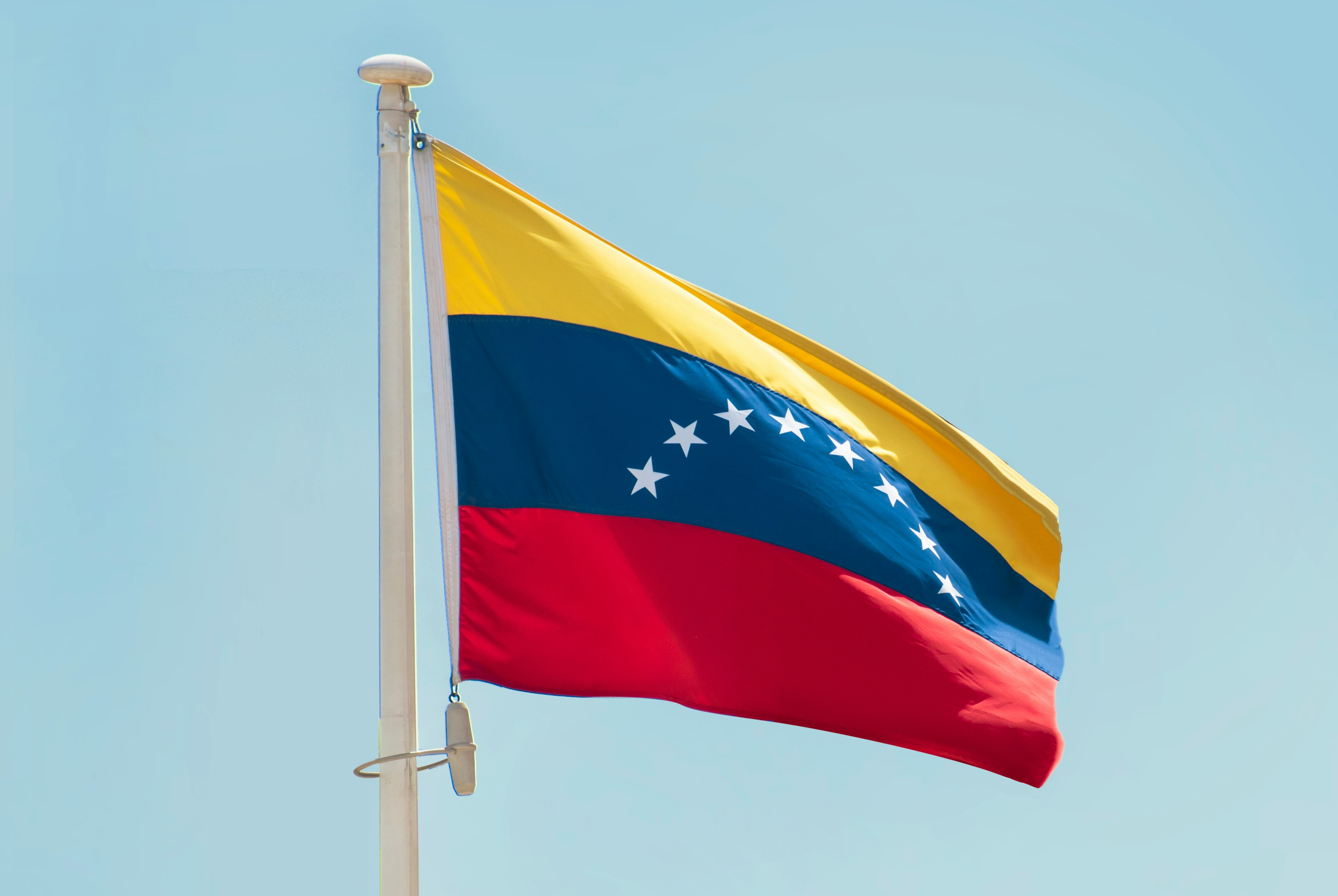
On Jan. 3, 2026, the U.S. carried out a covert operation to apprehend Venezuelan President Nicolas Maduro and his wife, Cilia Flores de Maduro, bringing them to New York to face four federal charges. In 2020, the U.S. charged them both for sourcing narcotics being smuggled into the U.S. Now they are both facing a comprehensive judicial trial.
Maduro has been president of the country since Hugo Chavez’s death in 2013 and has a history of declaring victory for himself in all elections since. For example, in the 2024 election, his opponent Edmundo Gonzalez won the election by almost 40%, yet Maduro remained in office. Maduro is known for his involvement with the Cartel of Suns, a drug trafficking organization that was recently named a Specifically Designated Global Terrorist by the U.S. Government. The Department of Justice had been waiting for years to bring him to justice, and now that process has begun.
Venezuelans have rejoiced over Maduro’s capture and over President Trump’s plan to oversee the installation of a new and uncorrupt leader. However, immediately after Maduro’s capture, his close ally, Delcy Roderiguez, was sworn in as interim president, potentially throwing a wrench in Washington’s agenda.
Carlos Paez, a political science major at John Brown University and a Venezuelan who was forced to leave his country, commented on the regime change.
“I welcomed the news of Maduro’s capture, but excitement quickly dwindled as we realized that the regime was, at least for a time, going to stay,” Paez said. “The regime is still in power, and things have not necessarily improved inside the country either, other than the hope of atransition to democracy sooner than later.”
Since Rodriguez has come to power, she passed the Oil Reform Bill, which opened up the country’s oil industry to foreign investment, particularly with the U.S., as the Trump Administration pressured after Maduro’s arrest.
Although President Trump has claimed his intention to help reform the government, critics are concerned that real political change may be pushed to the sidelines in favor of financial gain.
“Democratic transition in Venezuela should be the priority in U.S. foreign policy, but there’s doubts on whether this is or will be the case,” Paez said. “Trump wants to spur investment in the oil industry, but companies are thinking twice, considering that the regime is still in place. My real concern is that Trump becomes comfortable with the new oil contracts agreed with the Chavista government and pays a blind eye to the only thing that can truly lift Venezuela: a return to sound, democratic institutions.”
Photo by Aboodi Vesakaran via Unsplash