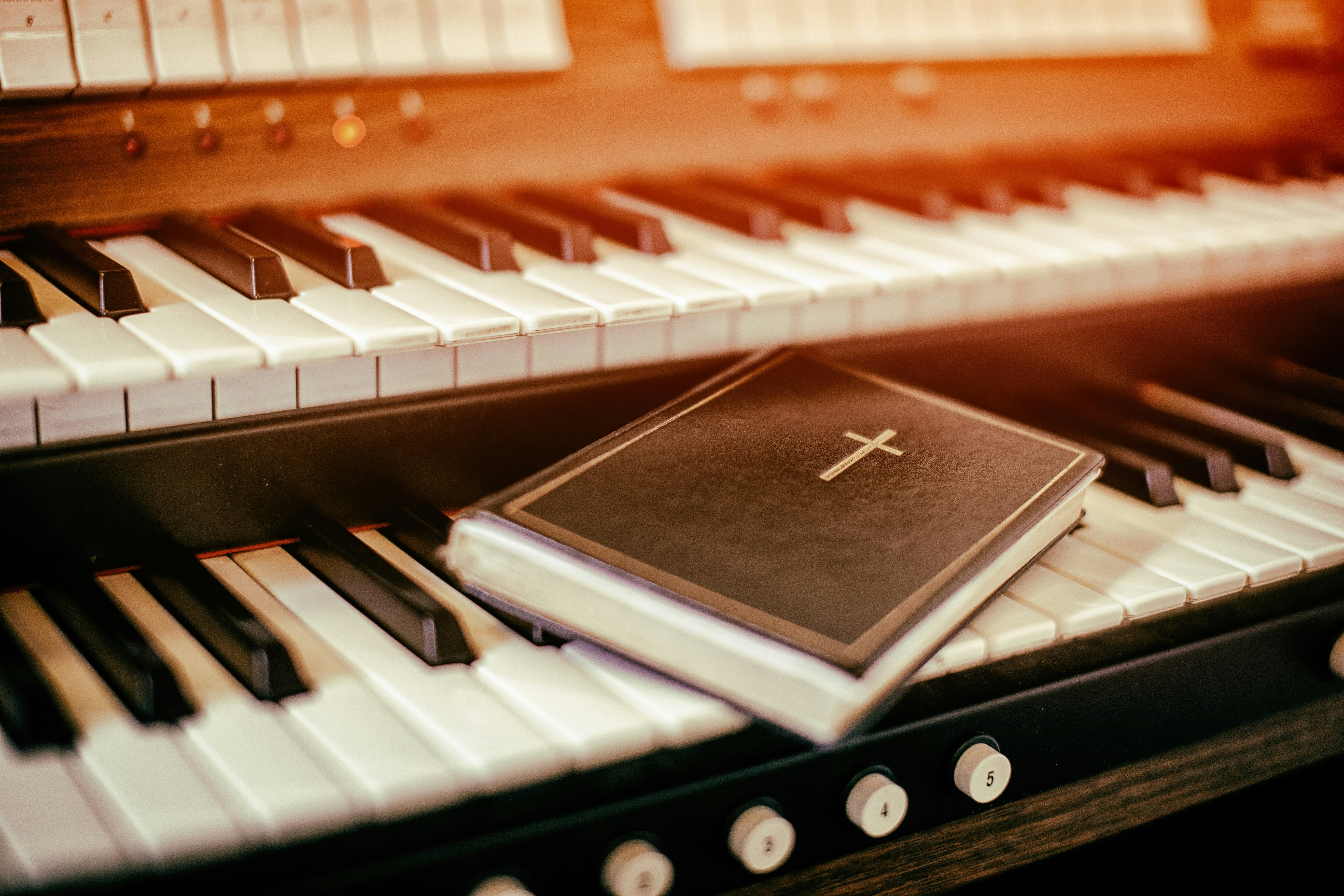
With the ongoing presence of artificial intelligence generated content, it was only a matter of time before it made its way into the scene of Christian worship music. This became most evident when AI generated artist Solomon Ray ranked 5th on iTunes’ Top Christian songs with the tune, “Find Your Rest.”
This event has struck up controversy around the world among listeners and artists alike, with many questioning the ethical and moral implications of using the technology for this purpose.
For example, the use of AI within religious contexts has been recently seen and questioned in Switzerland, where St. Peter's Chapel in Lucerne has implemented an automated Jesus in the confessional booths. Similarly, a methodist church in Austin, Texas, had AI generate a full service, picking the songs, scripture and liturgy. This introduced a new technology into the common order of worship and shook our modern notions of how the service should be done. The church service, being ordered by God, should align with His standards and is not necessarily based on what we want.
Various artists have spoken out, including influential Christian artist Forest Frank. He said, “It’s important to just pause a little bit and kinda ask the questions, is this something that we want?”
Christians worldwide should recall that to whom our worship is directed is more important than the material. Our sacrifice of praise should be the best that our skills can provide. AI cannot worship; it is only generating the material we could use in worship. However, it is also easy for an onlooker to condemn the use of AI in worship altogether instead of critically breaking down why it is not an acceptable form of worship.
Firstly, Christians are commanded to worship God in Spirit and in truth. “God is spirit, and those who worship him must worship in Spirit and in truth” (John 4:24). This verse explicates that a spiritless object cannot worship a spiritual being. In the same way that an animal cannot worship the Lord in the same way image-bearers can, so it is that a computer cannot. Not only are humans supposed to worship in Spirit and in truth, but we were also created to. “Let everything that breathes praise the LORD. Hallelujah!” (Psalms 150:6).
AI’s lack of life and common autonomy is not glorious to God because it does not worship without being programmed to do so. Yet, we must be reminded that God is a God deserving of all praise, and if we fail to praise him rightly or are silenced, he will be praised regardless. The Bible says, “… if they were to keep silent, the stones would cry out” (Luke 19:40). The Church should not view the rise of AI as a threat to worship that must be censored. Instead, it should be reminded that it is made up of image-bearers of God, and believers should be reenergized to create masterful and beautiful music that a computer could only replicate or recycle.
As AI only continues to develop and become more integrated into daily life, one can only expect it to influence religion. Whether Christians will decide to incorporate it into worship or to reject it is uncertain. Yet churches can continue to do what they have done since the birth of the church. They can faithfully preach and teach the gospel of Christ.
Photo Courtesy of Denny Müller on Unsplash