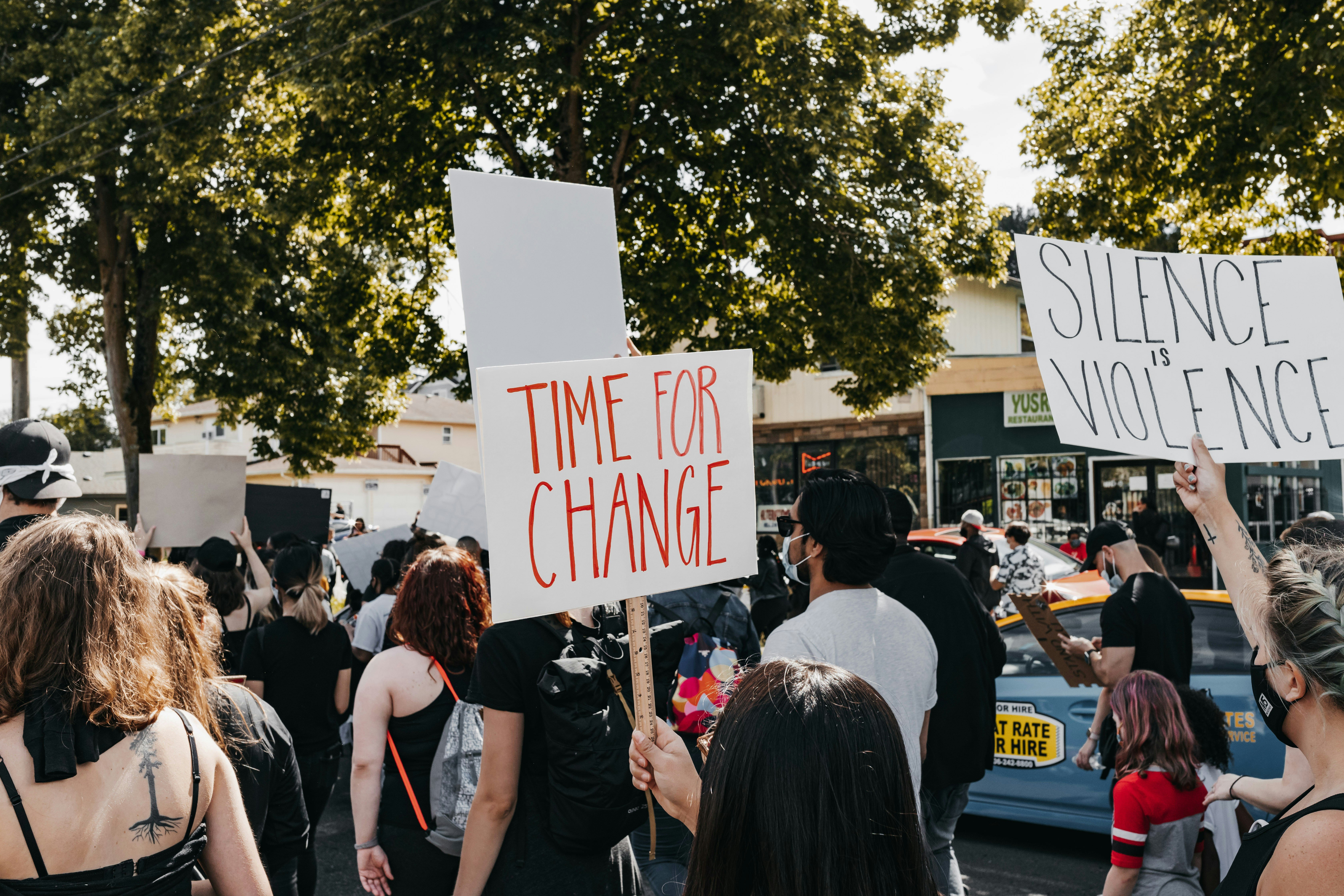
Amid the ongoing case at Cornell University, regarding the seven men accused of gang-raping a woman, it's important to be reminded that sexual assault and harassment have no place anywhere, and especially not at John Brown University.
Sexual harassment and or assault can take on many forms, including unwelcomed jokes or comments about sex and one’s body, stalking, touching someone inappropriately without their consent and so much more. While these are some examples, these examples are not the only cases of sexual harassment and or assault.
While on the topic of consent, it’s important to create an objective understanding of what consent is. Consent is something that is freely given, meaning there is no external force causing someone to say yes when otherwise they would say no.
For example, if someone were to be held at gunpoint and asked if they wanted to engage in sexual activities, and say yes for fear of being seriously injured or killed, the yes given carries no real weight and is not proof of consent. Likewise, if someone reaches a point of incapacitation due to drugs or alcohol, they legally cannot give consent. Both examples given are addressed under AR Code § 5-14-103.
Unfortunately, sexual assault across college campuses in America is a common problem. According to the National Center for Education, there were an estimated 10,400 formally reported acts of forcible sexual violence across college campuses in America during 2021. To compound this, according to the American Psychological Association, it’s estimated that 90% of assaults that take place on college campuses are not reported.
The American Psychological Association also found that roughly 25% of female students across college campuses report being victims of sexual crimes while in college, with there being an increased risk of sexual crimes against women in their first year of college. Women who are victims of sexual assault are 2 to 4 times more likely to experience lifetime posttraumatic stress disorder and depression. On top of this, women who experienced sexual assault on a college campus in their first semester were found to have symptoms of anxiety and depression.
Also according to the American Psychological Association, male students across college campuses in America, roughly 6.8% of undergraduate men and 2.5% of graduate men report experiencing sexual assault. When comparing men that go to college to men that do not go to college, college-attending men are 78% more likely to experience sexual assault than their non-college attending male peers.
According to the American Psychological Association, students who identify themselves in the LGBTQ+ community are at an increased risk of experiencing sexual assault. Students who are in the sexual minority of men are nine times more likely to experience sexual assault than their male heterosexual peers and students who are in the sexual minority of women are twice as likely to experience sexual assault than their heterosexual female peers.
Christian universities are no exception to this problem either. According to Thomas Moran of Baylor News, 15% of students at Christian affiliated colleges reported experiencing sexual assault. While these numbers indicate that sexual assault happens less frequently on Christian campuses compared to secular campuses, 15% is still 15% too high.
There are many more factors that influence sexual assault which includes, but is not limited to: students with disabilities, students of varying races and ethnicities, international students, undocumented immigrants, first generation and low-income students and graduate students according to the American Psychological Association.
The statistics shown do not even begin to tell the full story of sexual assaults on college campuses. What happens if a student is a female and a first-generation college student? How much more likely is she to experience sexual assault simply because she’s a woman taking a step no one in her family has been able to take before?
No one signs up to get sexually assaulted, and no one should be terrified to attend college in fear of experiencing sexual assault. While the act of the assault might not last a lifetime, the side effects do and no one deserves that.
The number of reported sexual assault across students on college campuses in America is astoundingly high, and until the number of sexual assaults across college campuses in America hits zero, it will continue to be astoundingly too high.
If you believe that you or someone you know is a victim of sexual harassment and or assault, do not hesitate to reach out to Amy Fisher at 479-524-7128 or at TitleIXCoordinator@jbu.edu if you are a student, employee or third party involved at John Brown University.
If you or someone you know is not involved at John Brown University, search for “University name’s Title IX help office” for further assistance. You can also reach out to 1-800-656-4673 for the national sexual assault hotline, or text HOPE to 64673. Both services are available 24 hours a day, 7 days a week.
Sexual assault is a serious crime with serious consequences that unfortunately impact the victims more often than they impact the offenders. Your voice matters, your story matters, and most importantly you matter. Don’t let anyone stop you from getting the help you deserve.
Photo by Duncan Shaffer via Unsplash