Sports in America are like oxygen, it feels like a way of life. There are leagues for children as young as six-years-old. Don’t get me wrong, sports are a great way to stay in shape, meet new people, make long-lasting bonds and so much more, but not every part of the sports world is positive.
Injuries are a part of life; there’s no arguing against that. People get hurt and they recover over time. What about athletes though? How many athletes get injured and fully recover before getting back on the field, court, ice or the many other surfaces sports are played on? Spoiler alert: it's less athletes than you think.
According to Warrior Sports Rehab, more than half of athletes observed that undergo common injuries never return back to the level they were once at, and if they do, it takes years to get back to where they once were. This doesn’t even account for the fact that many athletes play through injuries, making the long-term consequences much more serious.
On Oct.10, 2026, Philadelphia Eagles’ superstar Jalen Hurts was diagnosed with a blood clot in his left calf. Hurts would go on to play against the Jacksonville Jaguars on Oct. 11 where the Eagles lost 17-19 after a last second field goal made by the Jaguars.
Three days later, follow up scans showed that the blood clots had migrated to his lungs, and five days later on Oct.19, Hurts was ruled out for the remainder of the 2026-2027 NFL season. Though Hurts did not experience any other injuries in his game against the Jaguars, some have argued he never should have been playing in that game to begin with.
Hurts playing through his injury could have put him in a life-threatening scenario, and thankfully it didn’t. But why did he even play through it at all? This wasn’t a meaningful game; it wasn’t to decide if the Eagles made the playoffs or not; it wasn’t to win the Super Bowl. Even if it was one of those more important games, it still doesn’t justify playing through such a serious injury.
Most people expect contact sports to have injuries, but what most people don’t expect is the injuries non-contact athletes go through. Non-contact sports are not exempt to serious injuries, with roughly 15% of athletes in the NBA being on the NBA injury or participation list.
Some of the most notable injuries this season are Minnesota Timberwolves’ shooting guard, Anthony Edwards, who is underwent knee surgery following complications from last season, and Oklahoma City Thunder’s wing, Jalen Williams, who suffered a fractured fibula and dislocated ankle in a game against the Los Angeles Clippers.
Athletes know what they’re getting into whenever they sign up to play sports; for many, the pros vastly outweigh the cons. Most athletes, however, don’t know the true extent to which their injuries could lead. Coaches, parents and any other sort of mentor have a duty to ensure players are not playing through injuries and are maintaining their health.
No matter what some people might say, there’s no such thing as just walking off an ACL injury or just playing through a concussion. Injuries might be part of the consequences of participating in sports, but it doesn’t mean that we should begin to embrace them or ever downplay the seriousness of them.
Instead, we should be doing everything we can to prevent injuries, and if despite our best-efforts injuries still occur, we should do our best to rehabilitate our athletes back to the level they were once at.
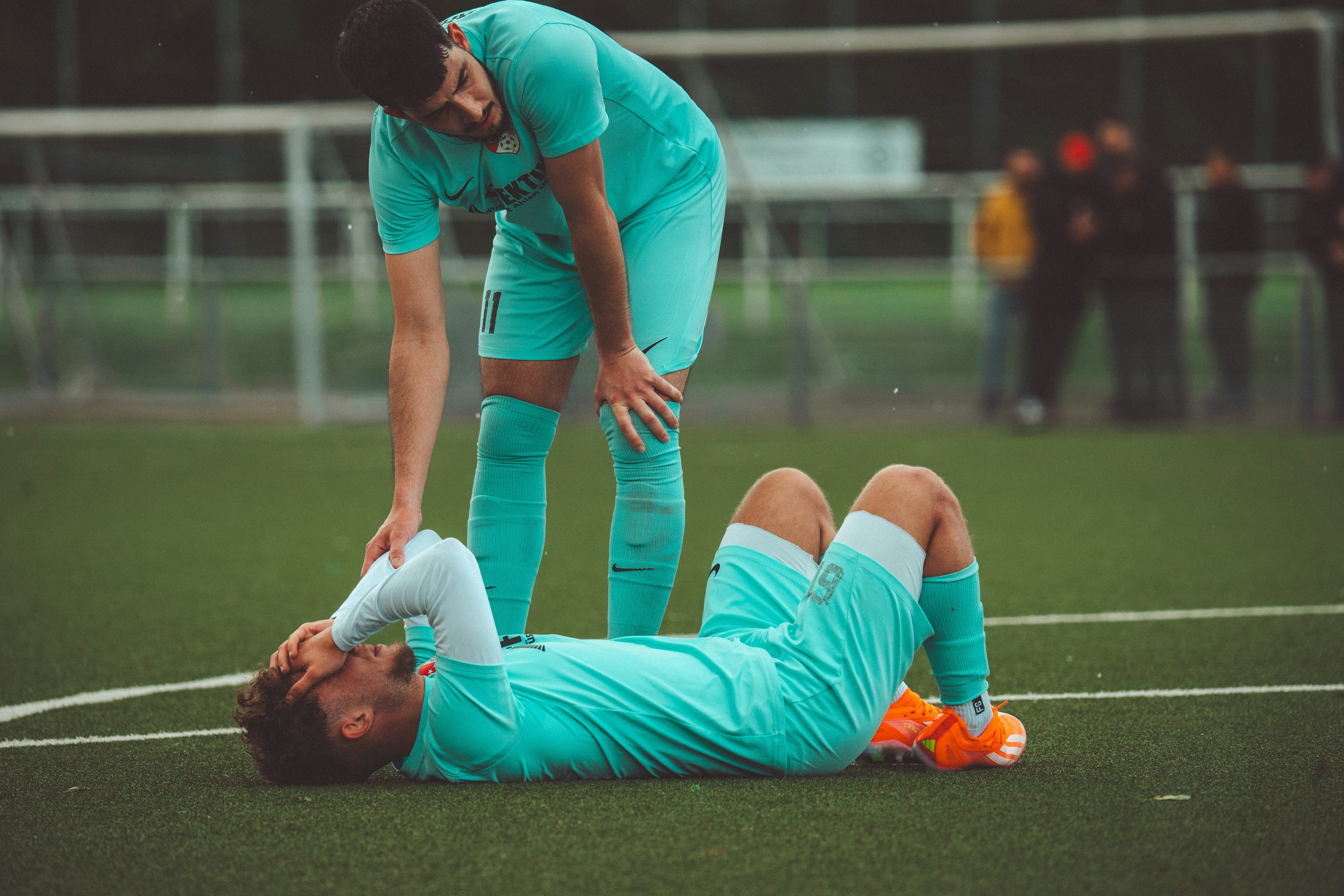
Photo by Omar Ramadan on Unsplash