News


blog

The 2026 Midterm Elections Painted the U.S. Blue

On Nov. 3, millions of Americans lined up at the polls to cast their vote in the 2026 midterm elections. Preliminary records suggest that this midterm represented the second-highest voter turnout rate for a midterm since 1914, with an estimated 124.3 million people voting. This election was historic for multiple reasons and has significant implications for the last two years of President Donald Trump’s term and beyond. So, what were the results of the election, what factors contributed to them and what comes next?

Early polling showed Democrats winning the majority of seats in both chambers of Congress, but these estimates failed to capture the scale of the party’s victory. The Democratic margin was understated by at least two percentage points in 21 out of 27 governor and U.S. Senate races as of Nov. 12, with the mean understatement across all 27 races being about four points. At the time of this writing, Democrats have flipped seven Republican-held Senate seats, two dozen House districts, five governorships and 12 state legislative chambers. Votes are still being counted in Alaska, but the projected results are trending toward the Democratic Party. Overall, the makeup of the U.S. Senate is now comprised of 55 Democratic seats to the Republicans’ 44; the House is a similar story, with 257 seats for Democrats and 171 for Republicans. Perhaps the most striking evidence of the “blue wave” was in the results of reliably red states across the country. The newly elected Adam Hamilton is the first Democratic candidate to win a U.S. Senate seat for Kansas since 1932, ending a 94-year streak for Republicans in that state. In Texas, James Talarico will be the first Democratic senator in almost 40 years.

Historically, the president’s party loses seats in midterm elections. This tendency is due to a variety of reasons, but it is largely because of widespread dissatisfaction over unfulfilled campaign promises during the president’s first two years of the term.

“Governing requires choices that disappoint some voters…[giving] the opposition a stronger incentive to participate,” Jamie Carson, professor of Political Science at the University of Georgia, wrote in a recent article. “Midterms also provide an opportunity to express frustration with national conditions or support a check on presidential power.”

Over the past two decades, however, congressional elections have become increasingly nationalized. Voters’ choices are becoming more reflective of their national party preferences.

“National news, clearer differences between the parties and intense competition for congressional control make it harder for individual candidates to separate themselves from their party’s national reputation,” Carson wrote.

Each midterm comes with its own unique political climate, and this election was no exception. A combination of several factors made the environment especially favorable for a wave of Democratic victories. The state of the economy was the most pressing issue for voters across party lines. In a poll from Reuters, 47% of registered voters said the cost of living was the single most important factor in deciding their midterm vote. The same poll found that 71% of U.S. adults disapprove of how Trump was handling the economy, with the price of gas being especially pertinent.

The war with Iran also presented unique challenges for this midterm election. 74% of voters said the conflict was a major factor in their vote, and 63% of Americans believed U.S. military action in Iran was the “wrong decision.”

Alongside these factors, demographic shifts also helped the Democratic Party achieve the scale of its victory across the nation. In the 2024 presidential election, Black and Hispanic voters swung toward Republican, but this trend was reversed in the 2026 midterm. Compared with 2024, this year’s election saw majority-Hispanic counties shift more than 22 percentage points away from Republican Senate candidates. Majority-Black counties also moved significantly towards Democratic candidates.

According to some political commentators like Derek Thompson, this midterm proved that the “swing voter” – an individual who is not firmly aligned with a single party and can shift their support between elections – still exists and can make an enormous difference in electoral outcomes.

“In the 2010s and 2020s there was this very powerful, very common argument running through American political commentary that the swing voter was an extinct species,” Thompson said during a Nov. 6 episode of his Plain English podcast. “Elections were increasingly these contests of mobilization between these fixed entities of Democratic versus Republican voters. But the U-turns portrayed in this electorate seem to totally explode the idea that the swing voter is extinct.”

In the wake of the blue wave, many people are wondering what’s next for Trump’s final two years in office and what challenges this divided government will face. In an episode of 60 Minutes, Trump expressed a willingness to work toward compromise with the Democratic-controlled Congress. With their 55 seats in the Senate, Democrats fall short of the 60 votes required to end a filibuster, meaning that this action cannot be undertaken strictly along party lines and represents an opportunity for bipartisan compromise.

A divided government also presents obstacles for the process of judicial appointments. Any presidential nominees for federal court must be confirmed by the Senate, which has historically been a point of conflict when the Senate, controlled by the opposing party, refuses to confirm a nominee that will uphold the president’s agenda. Consequently, if there is a vacancy on the Supreme Court in the next two years, it will likely not be filled, and the Supreme Court will operate with eight justices until a ninth is appointed.

Every election has its own unique context, results and implications. The 2026 midterm followed the trend of past midterm elections but on an unprecedented scale. With a divided government for at least the next two years, collaboration and compromise will be essential. In our current polarized environment, these characteristics are more important than ever.


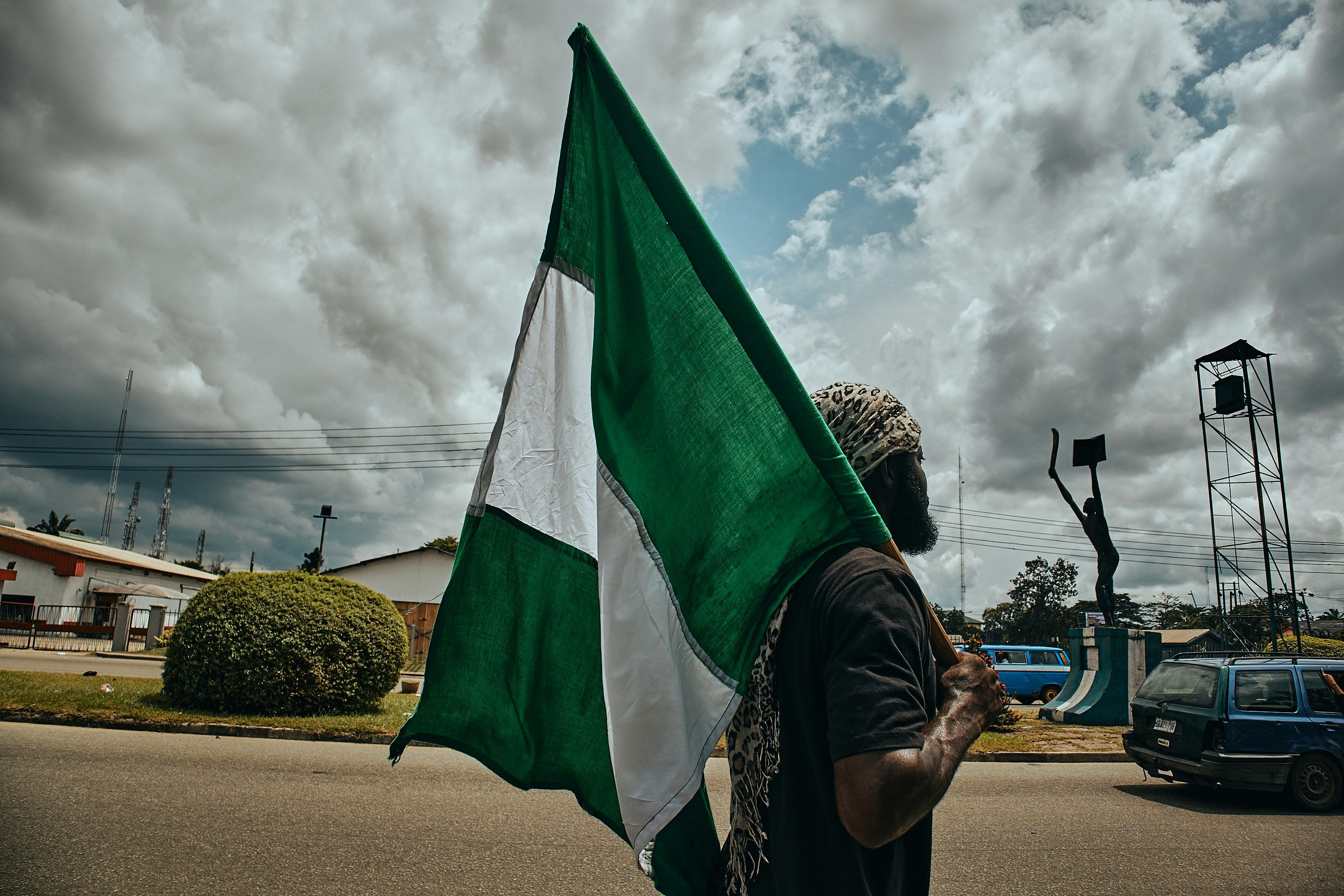
 Photo by visuals on Unsplash 

Read More

Sports


blog

After the Whistle: Harry Kane’s Post-World Cup Achievements

For many Americans, the sport of soccer (known to the rest of the world as football) tends to pass under the radar until global events like the 2026 FIFA World Cup bring it into the international spotlight. From June 11 to July 19, the world watched Cape Verde make its World Cup debut and advance to the Round of 32, witnessed Lionel Messi’s hat-trick against Algeria, and celebrated Norway’s victories with their characteristic “Viking Row.” Japanese fans were introduced to barbecue and armies of bagpipe-wielding Scots marched through the streets of Boston. However, after the final whistle at the championship game in New Jersey, the world of football largely retreated to the background for many Americans. Even though attention has shifted away from the World Cup teams, most players have returned to their respective football leagues and continue to achieve remarkable feats. Harry Kane, who played for England at the 2026 FIFA World Cup, recently won the highly coveted Golden Shoe and cemented his status as one of Europe’s best strikers.

Kane was awarded the Golden Shoe as Europe's top goalscorer for the 2025-26 season, the second time in his career. Playing for the club Bayern Munich, he scored 36 goals in 31 matches held by Bundesliga, Germany’s top professional football league. Italian World Cup winner and former FC Bayern striker Luca Toni congratulated Kane at the award ceremony.

“Dear Harry, on behalf of all strikers – past, present and those who still dream of scoring as many goals as you have: every striker is proud of how you have taken our game to a new level. You are the premium version of a striker,” Toni said.

The award uses a points system that gives more weight to goals scored in Europe’s top five leagues. Kane decisively secured the award ahead of Erling Haaland, who scored 27 goals for Manchester City, and Kylian Mbappe’s 25 goals for Real Madrid.

This accomplishment was made even more historic by the fact that Kane also received the Ballon d'Or, the most prestigious individual prize in football. Football journalists from each of the top 100 FIFA-ranked nations cast votes for 10 players in order from a shortlist of 30 nominees compiled by France Football and the French publication L'Equipe, with weighted points associated with each ranking. The winner is the player who collects the most points. Voting is based off of individual performances, team performances, and class or “fair play.”

Only seven players in history have been awarded both the Golden Shoe and the Ballon d’Or. This exclusive list includes names like Cristiano Ronaldo, Lionel Messi and Eusebio. Kane’s achievements are a testament to his superiority as a striker. Toni addressed Kane during the presentation of the Golden Shoe, praising his athletic prowess.

“You don’t just wait in the box – if the ball doesn’t come to you, you create the chance yourself and then put it away. A good striker finds space – and Harry Kane creates it,” Toni said. “Future strikers will be judged against your standards.”

Off the pitch, Kane is committed to promoting mental health through the Harry Kane Foundation, which, according to the foundation’s website, “collaborates with experts, charities and strategic partners to fund and champion mental health awareness campaigns, proven education programs, workshops, research projects and support services designed to get people of all ages active on mental health.”

Kane’s recent accolades within the world of football and his prominence outside of it prove that the thirty-three-year-old striker is establishing a career to remember. Just because the World Cup is over doesn’t mean that the talent displayed on the global stage has ceased; in some cases, it has only grown. Although these achievements might not be accompanied by bagpipes or barbecue, they are still worth acknowledging. It shouldn’t be another four years before these football players regain the world’s attention.

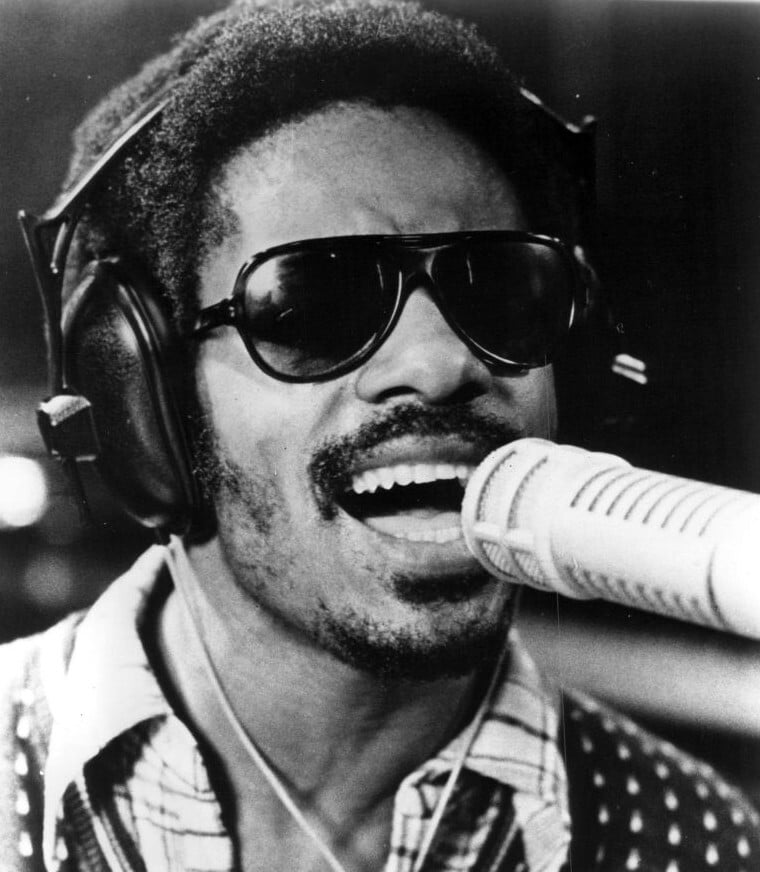
Photo provided by Bryan Berlin / WikiPortraits

Read More

Opinion


blog

Top Murder Mysteries for Fall

Now that it is finally beginning to feel like fall in Northwest Arkansas, it’s a good time to find a new TV show, book or movie to dive into. Unlike any other season, fall always seems like the perfect time to read or watch a new murder mystery. While having a Stars Hollow fall is a great way to start the season, the cold calls for something a bit more sinister. With that in mind, here are my top murder mysteries for fall:

“Knives Out” (2019)

When I think of a fall murder mystery, I immediately picture “Knives Out.” When author Harlan Thrombley (Christopher Plummer) is found dead one morning in his wooded mansion, all eyes turn to his dysfunctional family and his dutiful staff. Starring Daniel Craig, Chris Evans and Ana de Armas, among other A-List actors, this movie takes the traditional murder mystery and adds in hilarious twists and turns as it flips between the unfolding story and police interviews. After the first movie’s success, Netflix took over the franchise, releasing “Glass Onion” and “Wake Up Dead Man.” If you like classic Agatha Christies with a modern twist, this one is for you.

“Enola Holmes” (2020)

The story of Sherlock Holmes has been told over and over since Sir Arthur Conan Doyle debuted his master of deduction in 1887 with “A Study in Scarlet.” This time, however, the focus is on his little sister Enola, played by Millie Bobbie Brown. “Enola Holmes” follows the 16-year-old as she runs away from her brothers to find her missing mother in London. On her way, she stumbles upon Viscount Tewkesbury (Louis Partridge), and the two work together to unravel the conspiracy her mother, and ultimately themselves, have become caught up in. While the story doesn’t start off with a murder, the characters are exposed to more and more danger around every corner as deceptions come to light. In addition to the first “Enola Holmes,” Netflix has also released “Enola Holmes 2” and “Enola Holmes 3.”

“Bones” (2005-2017)

While “Bones” isn’t predominantly a fall TV show, its status as a procedural crime drama earns it a spot on this list. “Bones” follows a forensic anthropologist, Temperance Brennan, and her team as they help out with FBI cases where nothing is left of the deceased but bones. “Bones” helped set the formula for many of the crime procedural shows today with its quirky police consultants and (mostly) by-the-book detectives. Spanning 12 seasons with roughly 20 episodes each, “Bones” has plenty of material for anyone wanting to stay out of the cold and looking for a new binge-worthy favorite.

“The Mentalist” (2008-2015)

“The Mentalist” is another classic crime procedural. Following CBI consultant Patrick Jane, “The Mentalist” tells the story of a former psychic trying to prove that all it takes to solve a murder is good deduction skills. While the premise may sound slightly similar to fans of NBC’s “Psych,” Jane’s character takes on a much more serious role throughout the show, trying to come to terms with the death of his family by the serial killer Red John. Despite its more serious take on the classic crime procedural, “The Mentalist” is full of sarcasm and witty remarks reminiscent of BBC’s “Sherlock.”

“Castle” (2009-2016)

The final procedural on this list is none other than ABC’s “Castle.” “Castle” follows author Richard Castle (Nathan Fillion) as he tags along on NYPD Detective Kate Beckett’s (Stana Katic) assignments so that he can gain material for his new heroine “Nikki Heat.” As Castle refuses to ever take anything too seriously, Beckett’s no-nonsense outlook on police work causes the two to be at odds most of the time, adding to the back-and-forth banter and undeniable chemistry between the two. Complete with cameos from famous mystery writers, “Castle” is perfect for any literature lover's fall watchlist.

Agatha Christie Murders

Obviously you can’t have a list of top murder mysteries without mentioning the “Queen of Crime” herself, Agatha Christie. While Christie originally rose to acclaim through her novels, she has maintained her top spot in the mystery world through their countless movie and TV show adaptations. Recently, several of her novels have taken over the big screen through actor and director Kenneth Branagh’s take on Hercule Poirot, starting with “Murder on the Orient Express” and continuing with “Death on the Nile” and “A Haunting in Venice.” Netflix has also adapted one of Christie’s novels recently with “Agatha Christie's Seven Dials” starring Mia McKenna-Bruce, Edward Bluemel and Martin Freeman. My personal favorite Christie novel is “And Then There Were None,” which was adapted most recently in 2015 by BBC.

“The Thursday Murder Club”

You may know “The Thursday Murder Club” through its Netflix adaptation, but it earned its spot on this list through the five-book series by Richard Osman. While the club usually meets to discuss cold cases, things heat up when people connected to their retirement community start dying. Elizabeth, Joyce, Ibrahim and Ron may seem like quintessential retirees, but as the novels develop, their true sides are revealed as they play those around them like chess pieces to make sure the truth is revealed. While Osman hasn’t released any new books in this series recently, he just came out with “We Chase Shadows” the sequel to “We Solve Murders.” If you are a fan of senior sleuths, consider also checking out “The Marlow Murder Club” (and its accompanying PBS show) and “Vera Wong's Unsolicited Advice for Murderers.”

The Pen & Ink Mysteries

In the mood for a cozy mystery? Look no further than Krista Davis’ “Color Me Murder,” the first in the Pen & Ink Mystery series. In this series, bookstore manager and adult coloring book maker Florrie Fox seems to be constantly stumbling across murders in quaint Georgetown. Throughout this four-book series Florrie works with her friends at the bookstore and Sergeant Eric Jonquille to figure out who is disrupting the peace in their corner of Washington, D.C. Davis is a longtime mystery writer with two other series “A Domestic Diva Mystery” and “Paws & Claws Mystery” in her repertoire.

“Killing November”

Looking for something a bit more high action? “Killing November” by Adriana Mather is the perfect pick. November Adley is a normal girl, or so she thinks, until she wakes up in a castle in the middle of nowhere. That is when she learns that she is actually the latest in a long line of assassins and is part of a secret society. As she learns the rules of her new life, people begin to die around her, making her further question who her parents really were. Although this is a young adult novel, it includes many heavy themes as November deals with the loss of her parents and the world as she knows it. Mather, thankfully, didn’t stop with “Killing November" but continued her story in “Hunting November.”

While this isn’t an exhaustive list, I hope you found some inspiration for a good mystery to spice up your fall. So turn on “No Body, No Crime” and get to sleuthing!

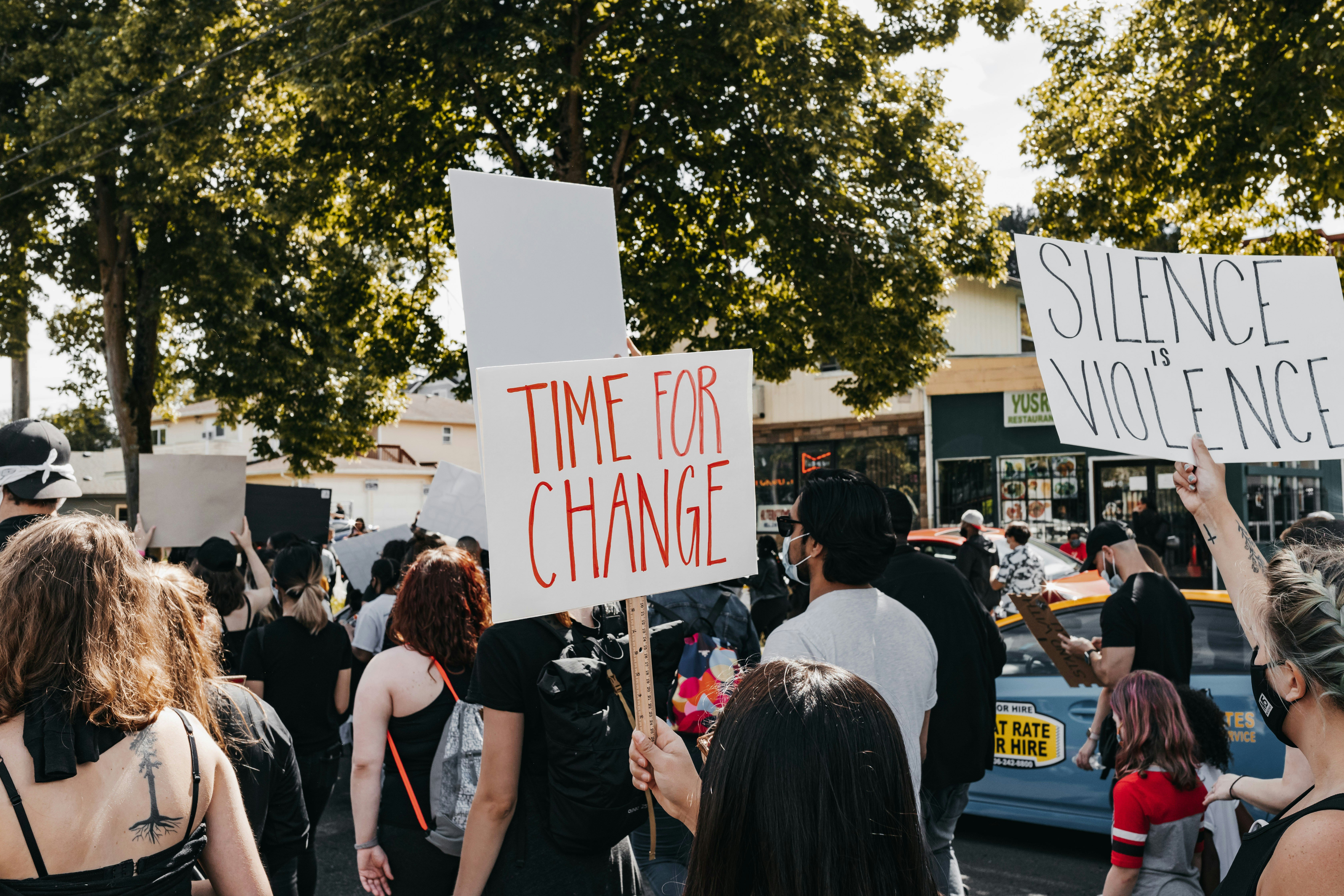
Photo by cottonbro studio on Pexels

Read More

Lifestyles


blog

Pumpkin pie or chocolate cake: What dishes are making it to your table this Thanksgiving?

Thanksgiving is a holiday of family, friends and togetherness — until it comes to what’s going to be baking in the oven. Then all the warm fuzziness of the autumn holiday is suddenly replaced by controversial hot takes, opinions and die-hard family traditions.

Many piously follow the traditional turkey dinner, whether for taste, stubbornness or just nostalgia. Others, sick of the same-old-same-old, throw every tradition out the window, opting for a different cuisine entirely… lobster, anyone? Meanwhile, some families shoot for the stars, cooking every Thanksgiving dish imaginable to please the masses.

No matter the spread, what inspired the Thanksgiving meal?

Popularized in elementary school, the story goes that the Plymouth Colony Pilgrims originated the Thanksgiving holiday. Their three-day harvest celebration in 1621 alongside the Wampanoag Native Americans was a chance to be thankful for being alive. Their meal looked a bit different than the twenty-first century. Turkey possibly made an appearance, but their meal more likely consisted of venison, corn and even seafood. Pumpkin pie was in its primitive stage: for the pilgrims, dessert was probably a hollowed out gourd with spices inside and baked over a fire.

Thanks to the passage of time and advanced technology, Thanksgiving meals look quite a bit different in America today.

First up, the main dish: will turkey take the crown, or does ham claim the top meat spot? Some cover their turkey in salty, savory gravy, while others love a sweet, honey-baked ham.

Potatoes are a source of contention on multiple levels. Are they sweet? Mashed? Doused in gooey marshmallows or a sugary pecan streusel?

Another matchup: stuffing versus dressing. It may be hard to spot the difference between the two because stuffing and dressing recipes’ may seem fundamentally similar (usually a mix of bread, vegetables and herbs), but they can be slightly different depending on family recipes.

Nothing cuts through the array of savory foods like cranberry sauce. The debate between the jelly or sauce version typically boils down to preference, but the western US typically favors the can, while the citrusy sauce is more common in the northeast.

The Northeast United States, despite being geographically near to the original Thanksgiving dinner, is ironically more unusual. New Englanders enjoy creamed onions, concord grape pie and Indian pudding.

Southern cooking (and maybe John Madden) is to thank for the famous turducken: duck stuffed in chicken stuffed in turkey — a poultry trinity that hails from Louisiana. An eyebrow-raising side, macaroni and cheese, also appears at southerners’ Thanksgiving meals with sweet potato pie for dessert — except for Georgia, who reportedly voted key lime pie as their favorite turkey-day pie.

As for Arkansas, chocolate cake was voted the most popular Thanksgiving dessert. It pleases like no pie can. Who needs pumpkin?

Whether you’re a proud Thanksgiving purist or if you’re willing to see some newcomers on the dining room table, Thanksgiving still serves as a perfect opportunity to rest, reflect and enjoy delicious food in the company of those loved most. Happy Thanksgiving!

For those wanting to feel like a true Arkansan this Thanksgiving, check out a traditional Arkansas Thanksgiving Menu:

  • Ham, Turkey or Venison
  • Cornbread Dressing
  • Eggplant Casserole
  • Fried Apples
  • Green Rice
  • Sweet Potato Casserole
  • Buttermilk Pecan Pie

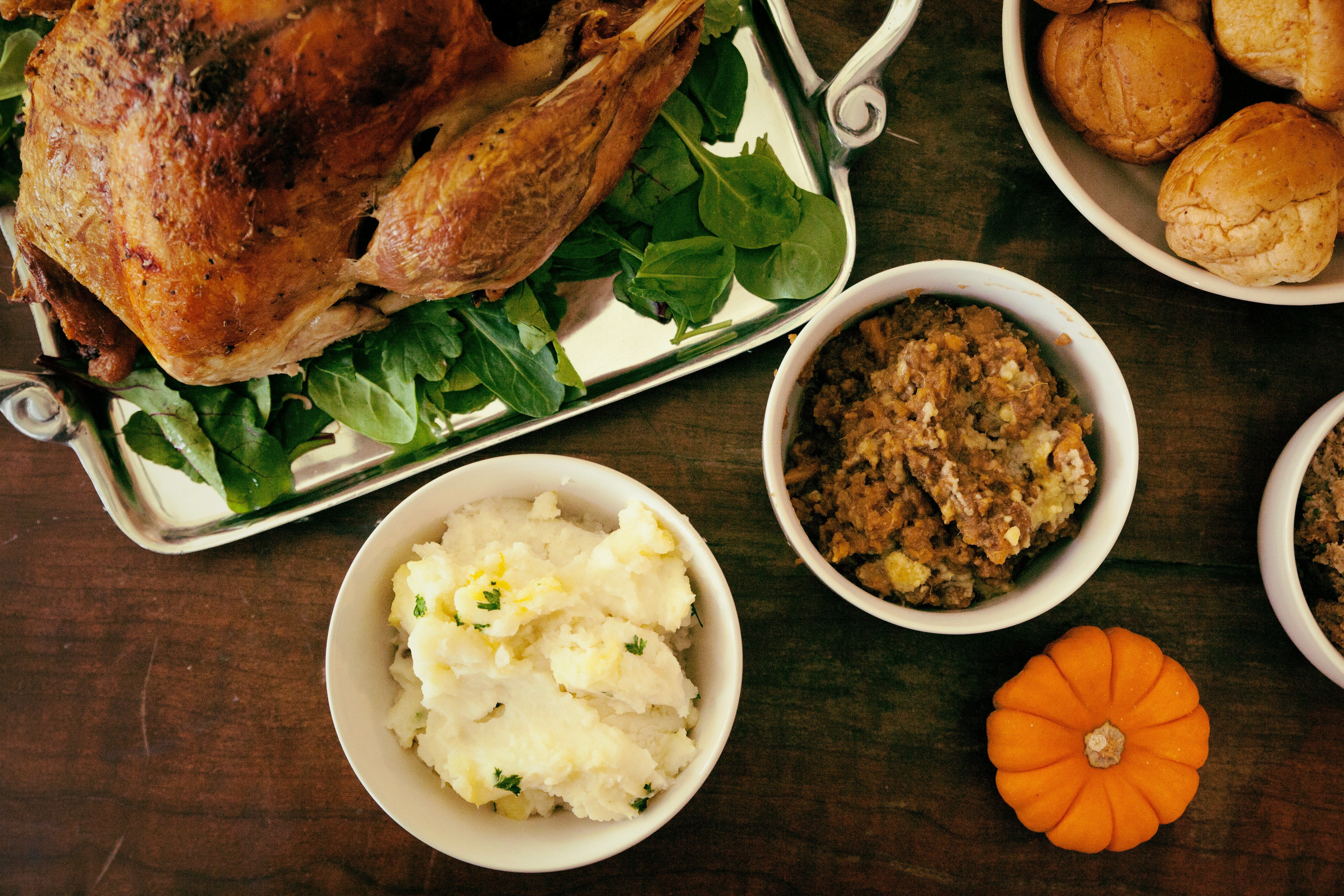
 Photo by Megan Watson on Unsplash 

Read More