News


blog

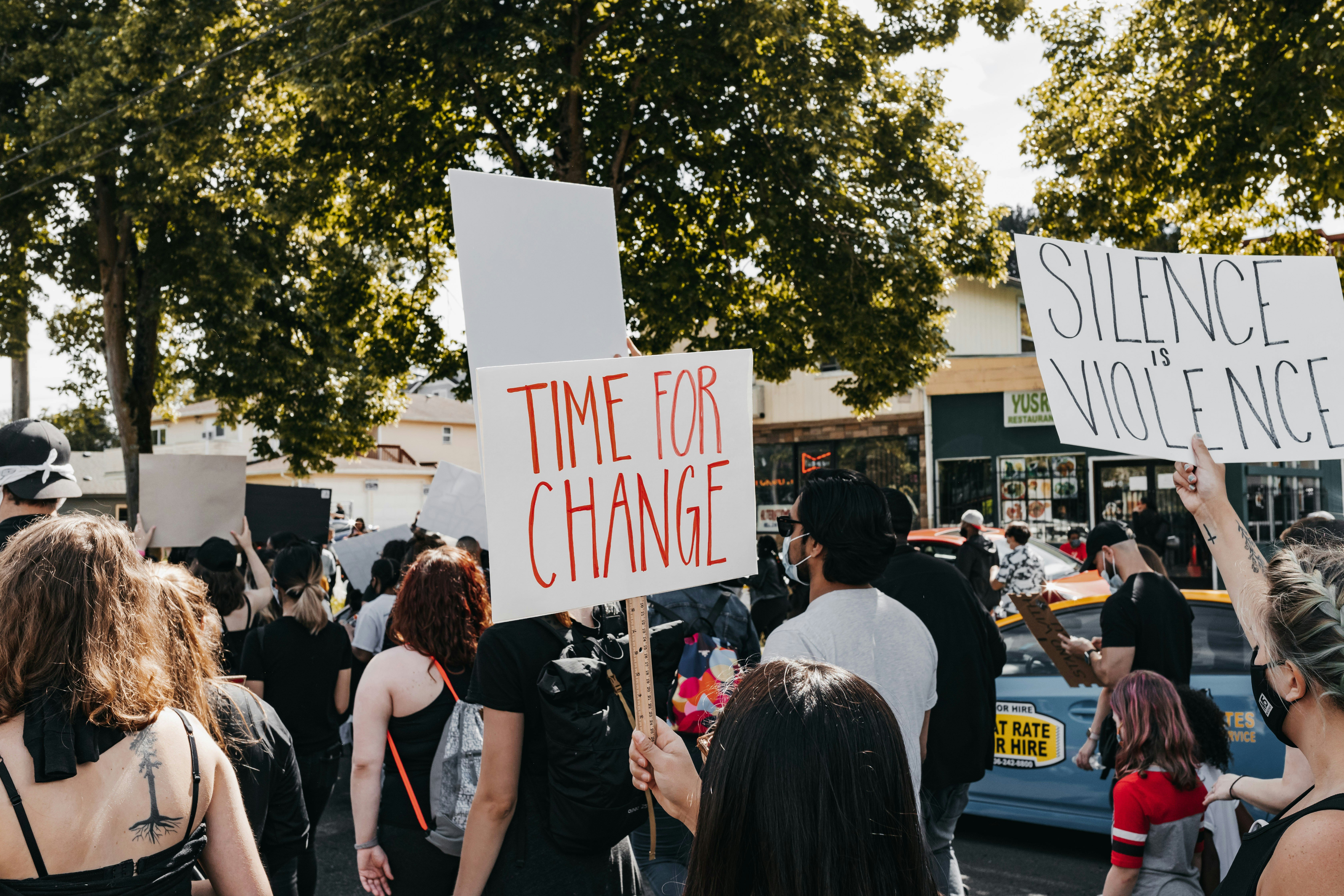
The 2026 Midterm Elections Painted the U.S. Blue

On Nov. 3, millions of Americans lined up at the polls to cast their vote in the 2026 midterm elections. Preliminary records suggest that this midterm represented the second-highest voter turnout rate for a midterm since 1914, with an estimated 124.3 million people voting. This election was historic for multiple reasons and has significant implications for the last two years of President Donald Trump’s term and beyond. So, what were the results of the election, what factors contributed to them and what comes next?

Early polling showed Democrats winning the majority of seats in both chambers of Congress, but these estimates failed to capture the scale of the party’s victory. The Democratic margin was understated by at least two percentage points in 21 out of 27 governor and U.S. Senate races as of Nov. 12, with the mean understatement across all 27 races being about four points. At the time of this writing, Democrats have flipped seven Republican-held Senate seats, two dozen House districts, five governorships and 12 state legislative chambers. Votes are still being counted in Alaska, but the projected results are trending toward the Democratic Party. Overall, the makeup of the U.S. Senate is now comprised of 55 Democratic seats to the Republicans’ 44; the House is a similar story, with 257 seats for Democrats and 171 for Republicans. Perhaps the most striking evidence of the “blue wave” was in the results of reliably red states across the country. The newly elected Adam Hamilton is the first Democratic candidate to win a U.S. Senate seat for Kansas since 1932, ending a 94-year streak for Republicans in that state. In Texas, James Talarico will be the first Democratic senator in almost 40 years.

Historically, the president’s party loses seats in midterm elections. This tendency is due to a variety of reasons, but it is largely because of widespread dissatisfaction over unfulfilled campaign promises during the president’s first two years of the term.

“Governing requires choices that disappoint some voters…[giving] the opposition a stronger incentive to participate,” Jamie Carson, professor of Political Science at the University of Georgia, wrote in a recent article. “Midterms also provide an opportunity to express frustration with national conditions or support a check on presidential power.”

Over the past two decades, however, congressional elections have become increasingly nationalized. Voters’ choices are becoming more reflective of their national party preferences.

“National news, clearer differences between the parties and intense competition for congressional control make it harder for individual candidates to separate themselves from their party’s national reputation,” Carson wrote.

Each midterm comes with its own unique political climate, and this election was no exception. A combination of several factors made the environment especially favorable for a wave of Democratic victories. The state of the economy was the most pressing issue for voters across party lines. In a poll from Reuters, 47% of registered voters said the cost of living was the single most important factor in deciding their midterm vote. The same poll found that 71% of U.S. adults disapprove of how Trump was handling the economy, with the price of gas being especially pertinent.

The war with Iran also presented unique challenges for this midterm election. 74% of voters said the conflict was a major factor in their vote, and 63% of Americans believed U.S. military action in Iran was the “wrong decision.”

Alongside these factors, demographic shifts also helped the Democratic Party achieve the scale of its victory across the nation. In the 2024 presidential election, Black and Hispanic voters swung toward Republican, but this trend was reversed in the 2026 midterm. Compared with 2024, this year’s election saw majority-Hispanic counties shift more than 22 percentage points away from Republican Senate candidates. Majority-Black counties also moved significantly towards Democratic candidates.

According to some political commentators like Derek Thompson, this midterm proved that the “swing voter” – an individual who is not firmly aligned with a single party and can shift their support between elections – still exists and can make an enormous difference in electoral outcomes.

“In the 2010s and 2020s there was this very powerful, very common argument running through American political commentary that the swing voter was an extinct species,” Thompson said during a Nov. 6 episode of his Plain English podcast. “Elections were increasingly these contests of mobilization between these fixed entities of Democratic versus Republican voters. But the U-turns portrayed in this electorate seem to totally explode the idea that the swing voter is extinct.”

In the wake of the blue wave, many people are wondering what’s next for Trump’s final two years in office and what challenges this divided government will face. In an episode of 60 Minutes, Trump expressed a willingness to work toward compromise with the Democratic-controlled Congress. With their 55 seats in the Senate, Democrats fall short of the 60 votes required to end a filibuster, meaning that this action cannot be undertaken strictly along party lines and represents an opportunity for bipartisan compromise.

A divided government also presents obstacles for the process of judicial appointments. Any presidential nominees for federal court must be confirmed by the Senate, which has historically been a point of conflict when the Senate, controlled by the opposing party, refuses to confirm a nominee that will uphold the president’s agenda. Consequently, if there is a vacancy on the Supreme Court in the next two years, it will likely not be filled, and the Supreme Court will operate with eight justices until a ninth is appointed.

Every election has its own unique context, results and implications. The 2026 midterm followed the trend of past midterm elections but on an unprecedented scale. With a divided government for at least the next two years, collaboration and compromise will be essential. In our current polarized environment, these characteristics are more important than ever.
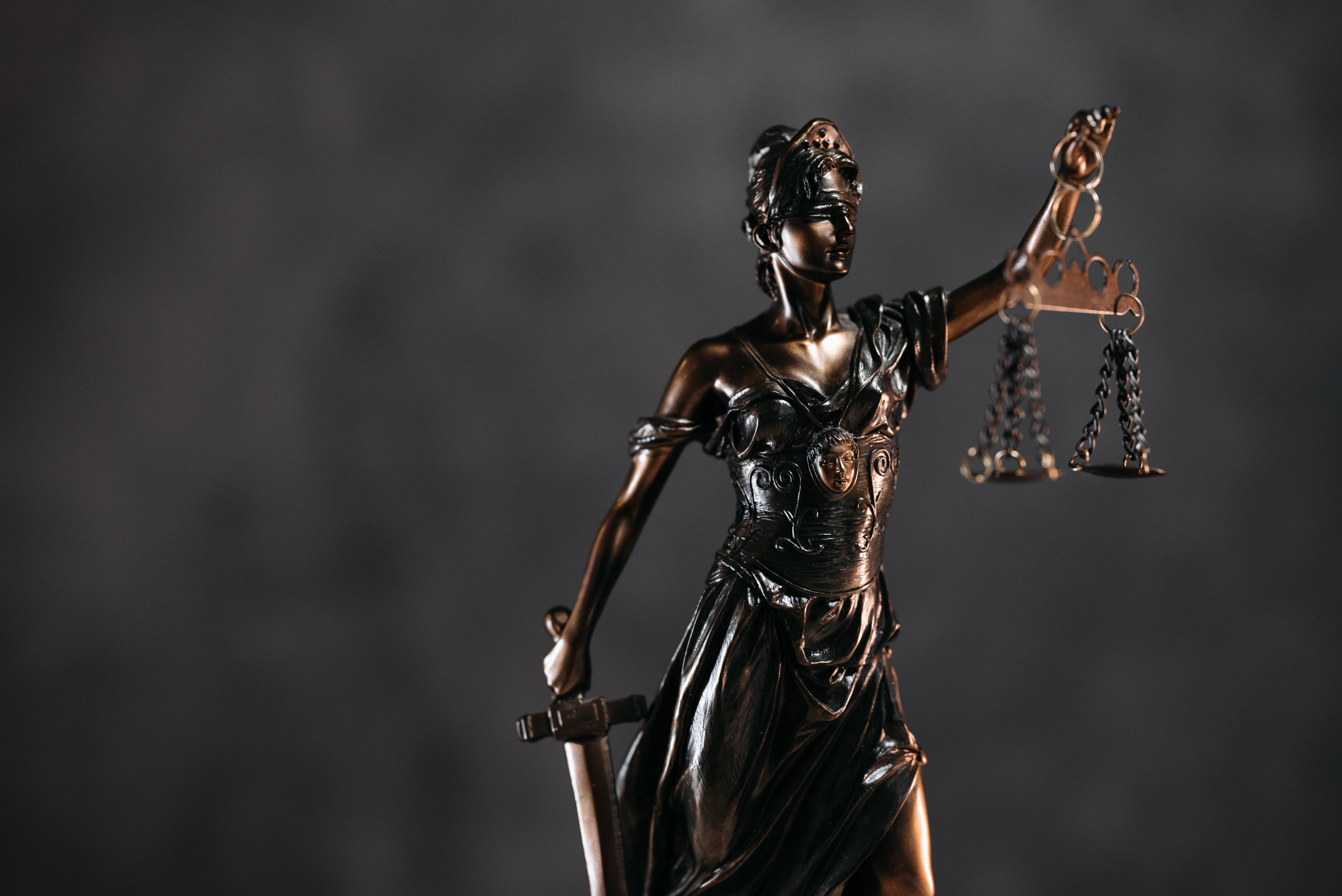

 Photo by visuals on Unsplash 

Read More

Sports


blog

After the Whistle: Harry Kane’s Post-World Cup Achievements

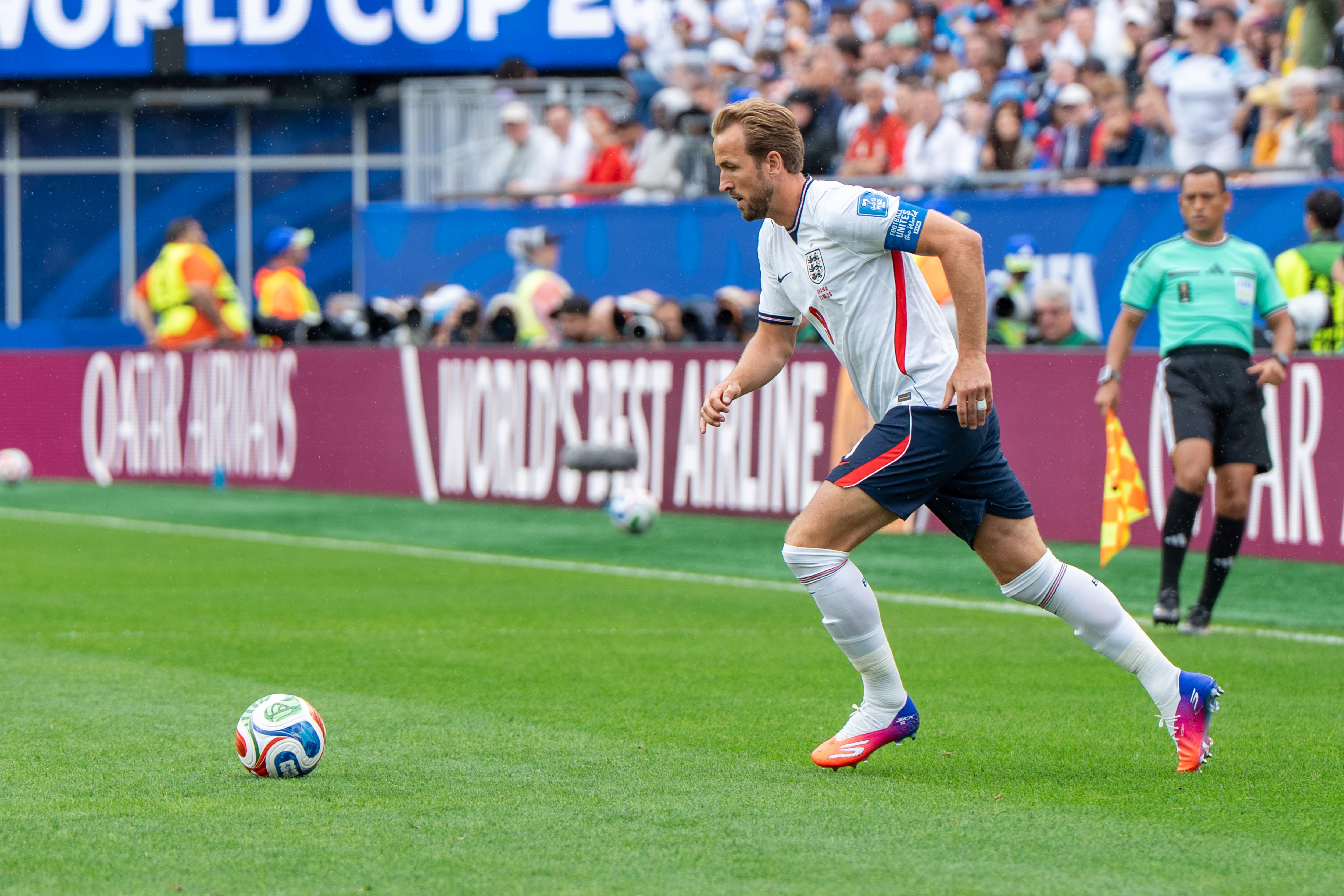
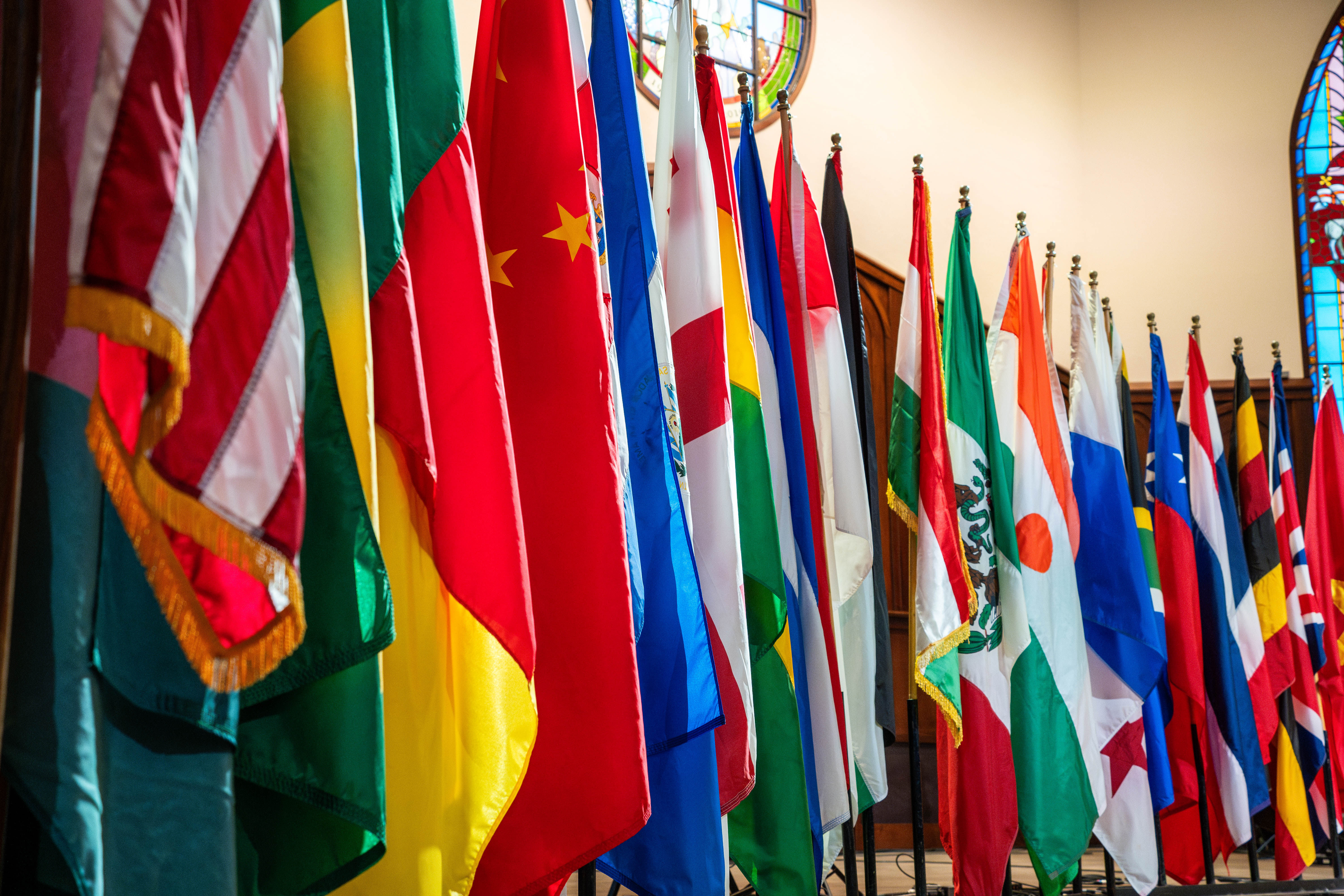
For many Americans, the sport of soccer (known to the rest of the world as football) tends to pass under the radar until global events like the 2026 FIFA World Cup bring it into the international spotlight. From June 11 to July 19, the world watched Cape Verde make its World Cup debut and advance to the Round of 32, witnessed Lionel Messi’s hat-trick against Algeria, and celebrated Norway’s victories with their characteristic “Viking Row.” Japanese fans were introduced to barbecue and armies of bagpipe-wielding Scots marched through the streets of Boston. However, after the final whistle at the championship game in New Jersey, the world of football largely retreated to the background for many Americans. Even though attention has shifted away from the World Cup teams, most players have returned to their respective football leagues and continue to achieve remarkable feats. Harry Kane, who played for England at the 2026 FIFA World Cup, recently won the highly coveted Golden Shoe and cemented his status as one of Europe’s best strikers.

Kane was awarded the Golden Shoe as Europe's top goalscorer for the 2025-26 season, the second time in his career. Playing for the club Bayern Munich, he scored 36 goals in 31 matches held by Bundesliga, Germany’s top professional football league. Italian World Cup winner and former FC Bayern striker Luca Toni congratulated Kane at the award ceremony.

“Dear Harry, on behalf of all strikers – past, present and those who still dream of scoring as many goals as you have: every striker is proud of how you have taken our game to a new level. You are the premium version of a striker,” Toni said.

The award uses a points system that gives more weight to goals scored in Europe’s top five leagues. Kane decisively secured the award ahead of Erling Haaland, who scored 27 goals for Manchester City, and Kylian Mbappe’s 25 goals for Real Madrid.

This accomplishment was made even more historic by the fact that Kane also received the Ballon d'Or, the most prestigious individual prize in football. Football journalists from each of the top 100 FIFA-ranked nations cast votes for 10 players in order from a shortlist of 30 nominees compiled by France Football and the French publication L'Equipe, with weighted points associated with each ranking. The winner is the player who collects the most points. Voting is based off of individual performances, team performances, and class or “fair play.”

Only seven players in history have been awarded both the Golden Shoe and the Ballon d’Or. This exclusive list includes names like Cristiano Ronaldo, Lionel Messi and Eusebio. Kane’s achievements are a testament to his superiority as a striker. Toni addressed Kane during the presentation of the Golden Shoe, praising his athletic prowess.

“You don’t just wait in the box – if the ball doesn’t come to you, you create the chance yourself and then put it away. A good striker finds space – and Harry Kane creates it,” Toni said. “Future strikers will be judged against your standards.”

Off the pitch, Kane is committed to promoting mental health through the Harry Kane Foundation, which, according to the foundation’s website, “collaborates with experts, charities and strategic partners to fund and champion mental health awareness campaigns, proven education programs, workshops, research projects and support services designed to get people of all ages active on mental health.”

Kane’s recent accolades within the world of football and his prominence outside of it prove that the thirty-three-year-old striker is establishing a career to remember. Just because the World Cup is over doesn’t mean that the talent displayed on the global stage has ceased; in some cases, it has only grown. Although these achievements might not be accompanied by bagpipes or barbecue, they are still worth acknowledging. It shouldn’t be another four years before these football players regain the world’s attention.

Photo provided by Bryan Berlin / WikiPortraits

Read More

Opinion


blog

Snooze! Are the Grammys becoming redundant?

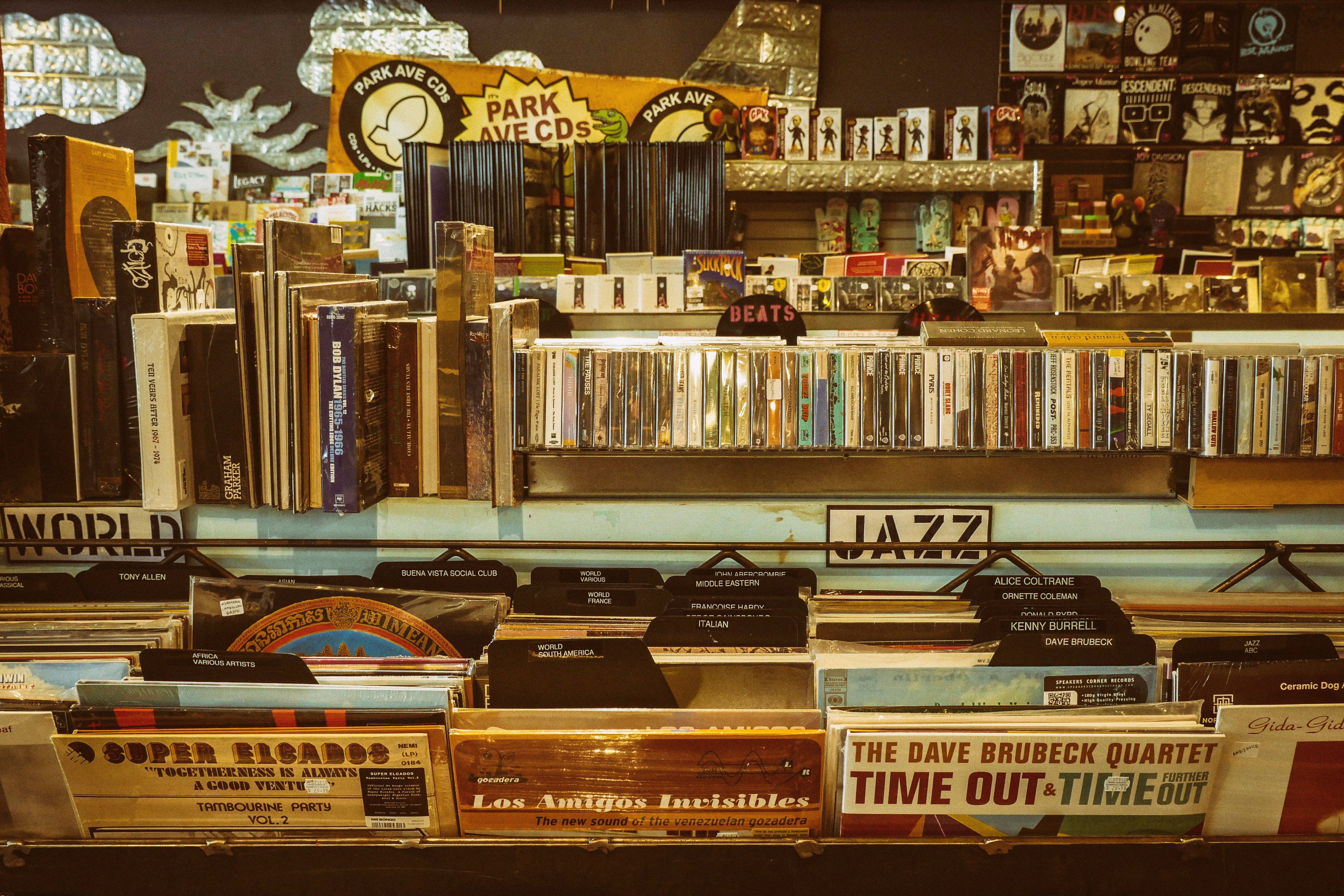
On Nov. 16, the 69th Grammy Award nominations were finally announced after a year of what many have considered phenomenal musical releases. Nevertheless, as per usual, the Recording Academy’s decisions have surprised many and sparked online debate, calling into question once more just how unbiased these prestigious awards really are. Today, we review these nominations, evaluating who, truly deserves a chance at the Golden Gramophone and who may not be as worthy.

The Big Four

The Big Four categories — that is, Record of the Year, Album of the Year, Song of the Year and Best New Artist — are seen as the most prestigious and often treated as the most important awards of the night. This year’s nominations brought some welcome surprises, particularly the strong showing of female artists. Olivia Rodrigo, Olivia Dean, Raye, Ella Langley, Rosalia and Bruno Mars were nominated for the three “big” categories they were eligible for (Record of the Year, Album of the Year and Song of the Year), following a year of successful album releases. Of these, Raye scored the most nominations, tying Beyonce’s 2025 Grammys record with 11 nods in categories including Songwriter of the Year, Best Pop Solo Performance and Best Traditional Pop Vocal Performance. This recognition is well deserved, and it is exciting to see her work receive such widespread acknowledgment.

Rosalía follows the British singer with nine nominations, representing the second consecutive year that a primarily Spanish-language artist and album has been nominated within the main categories. Although her presence in three of the Big Four categories surprised some, Rosalía’s “Lux,” with its blend of genres and avant-garde presentation of music, has made her a worthy opponent for her English-language counterparts. If her wins at the Latin Grammys prove anything, it is that her artistry is something to look out for.

Not all nominations, however, were met with the same enthusiasm. Megastar Taylor Swift scored five nominations, marking the fifth consecutive year in which she’s been nominated for Album of the Year. Unlike the rest of the artists, however, Swift’s nominations have received mixed reactions.

“The Life of a Showgirl’s” initial release was met with criticism from fans and critics alike, with many stating Swift’s work on the album lacked depth and bordered on repetitiveness. It is for these very reasons that many have raised eyebrows at Swift’s nominations.

Now, I don’t think anyone can deny that Swift is a talented artist and songwriter, and her continued recognition throughout the years is proof of her abilities and power as an artist. However, a nomination for an album that is arguably not among her best leaves a bad taste in my mouth, especially when considering the names that were left out of the categories altogether. It’s hard to imagine the same album receiving as much recognition had it not been attached to such a recognizable name.

The Snubs

It is important to recognize that the Grammys, being based on subjective criteria and having a limited bandwidth, will never be able to fully recognize all the work and art that deserves praise. Fans will always be disappointed when their favorites don’t get nominated, and the Recording Academy is unfortunately not there to please everyone.

However, there is something to be said about the snubbing of artists who have made significant impacts on the music industry throughout the year, and what it reflects about the Grammys as a whole.

This year, two major surprises were Noah Kahan’s “The Great Divide” and Harry Styles’ “Kiss All the Time. Disco, Occasionally,” both of which received little to no recognition. I, personally, expected to see them both appear at the very least in the Album of the Year or Song of the Year categories. Instead, Kahan received just one nomination for Best Contemporary Folk Album, while Styles came away with none, despite having completed an astoundingly successful 30-day residency at Madison Square Garden for his "Together, Together" tour.

I'll admit that I have a pretty big bias toward these two artists and their respective albums. I considered both among the best releases of the year, and I was genuinely surprised to see them receive so little recognition. That doesn't mean I think the other nominees were undeserving, or that I would necessarily replace any of the current nominations with theirs. But it does raise a bigger question: how significant can an award ceremony like the Grammys be when audiences have come to expect the same patterns year after year? When widely recognized artists like Swift continue to receive nominations while others, like Kahan, struggle to get the Academy’s attention, it becomes difficult not to question what kinds of artistry the Grammys are actually rewarding.

The “Best Asian Pop Music Performance” Fiasco

Perhaps one of the more interesting developments surrounding this year’s nominations has been the controversy surrounding the newly introduced Best Asian Pop Music Performance category. Earlier this year, the Recording Academy announced the addition of the category as an effort to recognize the diversity and growing influence of Asian music within the global music industry. However, the decision was not met with unanimous support.

Critics have raised concerns that introducing region- or genre-specific categories, while seemingly intended to promote greater representation, might actually reinforce the very divisions that have historically limited international artists’ recognition within the Grammys. Similar criticisms have surrounded categories such as Best Música Urbana and Best African Music Performance, which some argue create a separate space for artists of color and international music without necessarily extending that recognition to the ceremony’s most prestigious categories.

These concerns have also been reflected in the response from the K-pop industry, with major artists and industry representatives questioning the Academy’s approach to recognizing Asian music. Following the announcement of the new category, K-pop group BTS — considered to be one of the potential main contenders for the category — announced its decision to boycott the awards ceremony altogether, stating that the band hoped its music would be “be heard and loved for what it is, rather than being divided by region or language.” The four largest K-pop agencies similarly refused to submit their work to the category.

I bring this up because I think it highlights two significant issues with the Grammys: its narrow scope and its ability to equally recognize artistry across genres, languages and regions. Once again, it seems that predominantly American, English-language pop artists are the most likely to receive recognition within the Big Four, while international artists and artists working in other genres are often recognized primarily within their own designated categories. And while there is certainly nothing wrong with celebrating the contributions of Asian music, Latin music or African music, there is something rather limiting about the idea that these artists should be recognized primarily within those spaces.

The Future of the Grammys

Looking at the nominations as a whole, I think these issues reflect that the Grammys as a show are headed toward a somewhat uncertain future. In the eyes of the public, the award ceremony has become increasingly viewed as predictable, disappointing and unreliable. When audiences see the same kinds of artists and music nominated and rewarded year after year, while equally talented acts go unnoticed, the ceremony starts to lose some of its excitement. What should be a celebration of the year’s music can begin to feel like a predictable, boring rehash of what we've already seen.

Nominations like Rosalía’s “Berghain” certainly serve as a rebuttal to this argument. They show that the Academy is still capable of recognizing experimental music and artists who push the boundaries of what popular music can look like. I hope we see more of that in the future. The Recording Academy should continue widening its scope, giving greater recognition to artists across genres and regions and rewarding the kind of innovation that makes music exciting in the first place.

And, of course, I hope “The Great Divide” wins Best Contemporary Folk Album because I am still salty Kahan received no other nominations.

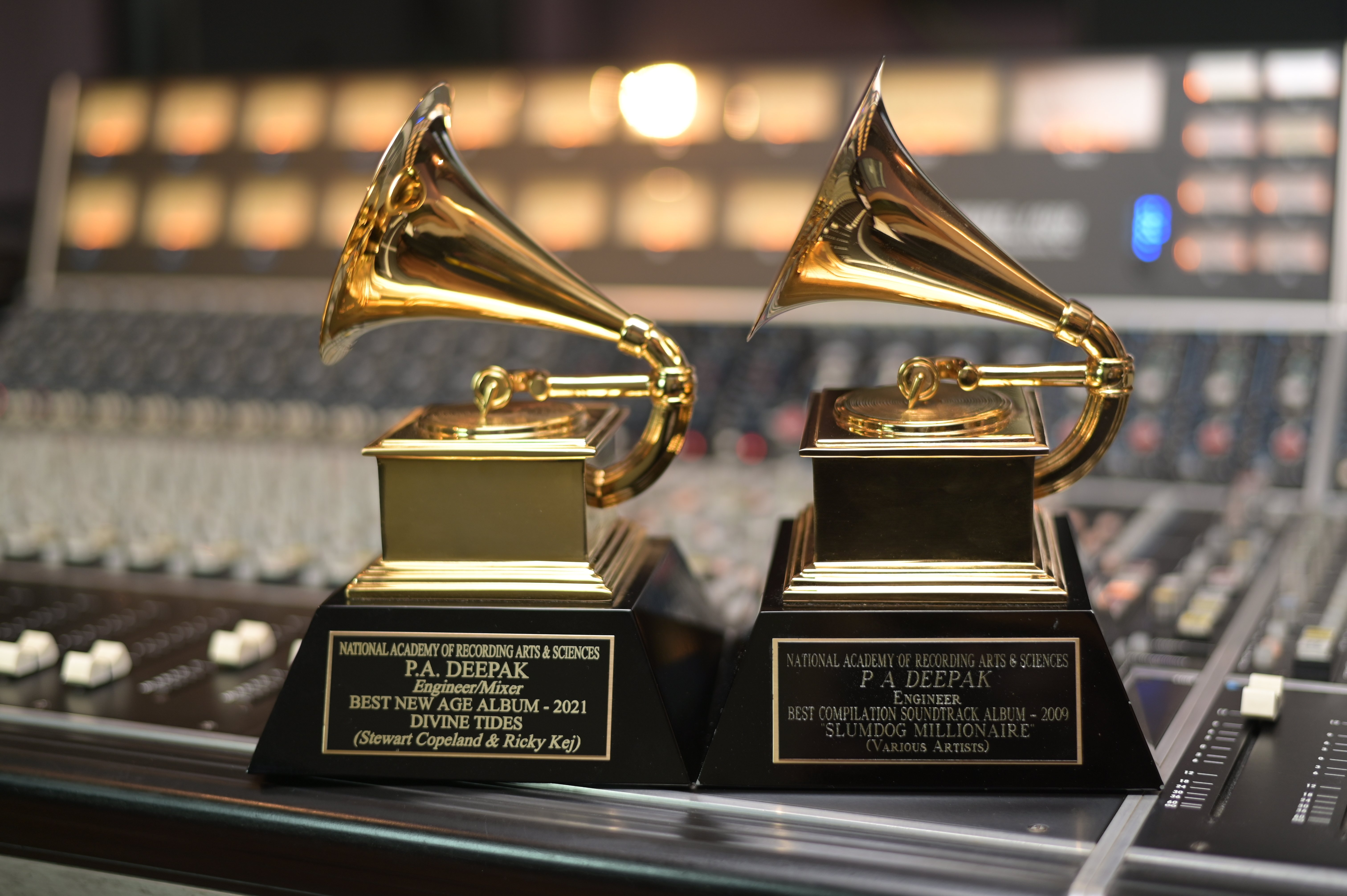
Photo provided by Padeepak via Wikimedia Commons 

Read More

Lifestyles


blog

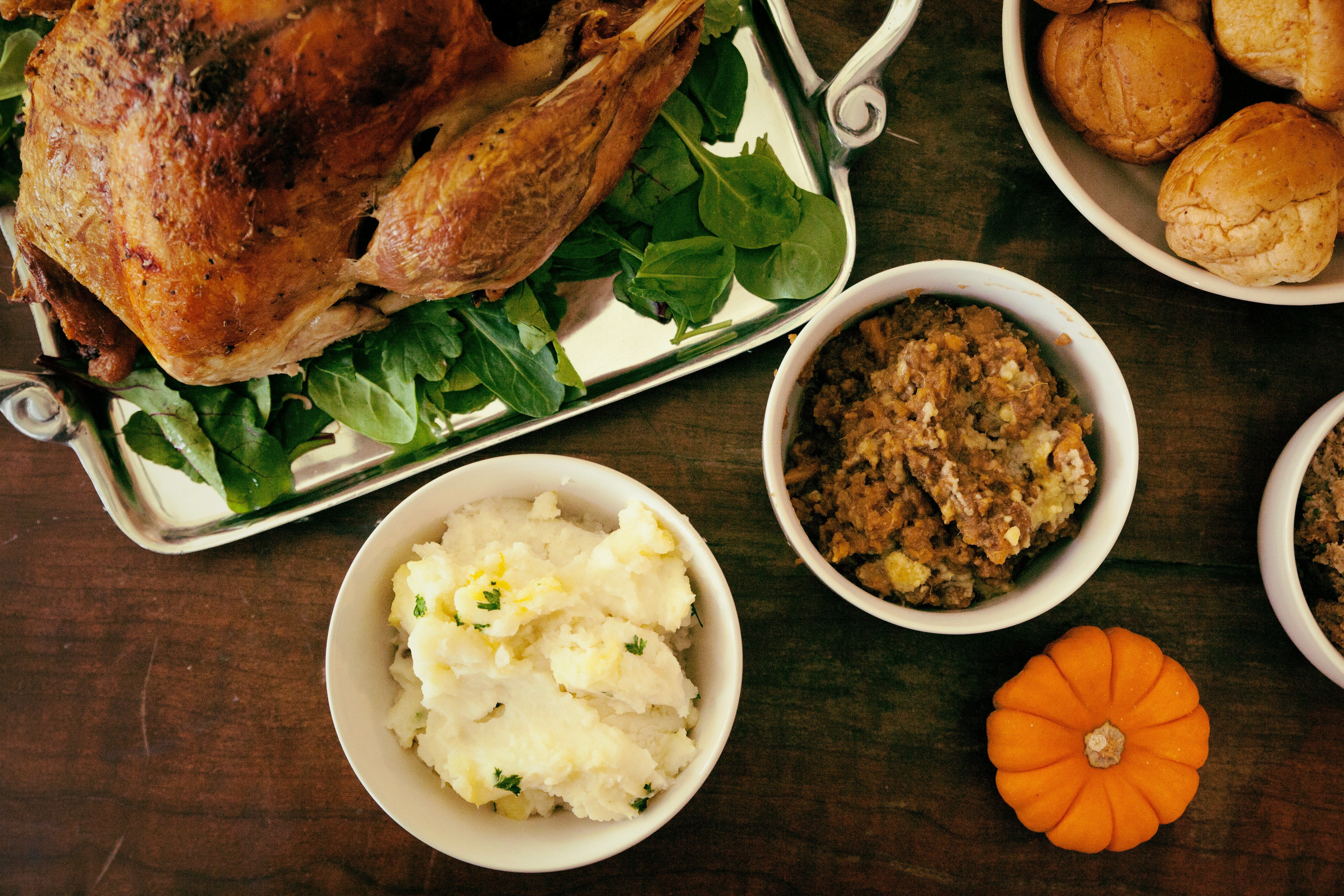
Pumpkin pie or chocolate cake: What dishes are making it to your table this Thanksgiving?

Thanksgiving is a holiday of family, friends and togetherness — until it comes to what’s going to be baking in the oven. Then all the warm fuzziness of the autumn holiday is suddenly replaced by controversial hot takes, opinions and die-hard family traditions.

Many piously follow the traditional turkey dinner, whether for taste, stubbornness or just nostalgia. Others, sick of the same-old-same-old, throw every tradition out the window, opting for a different cuisine entirely… lobster, anyone? Meanwhile, some families shoot for the stars, cooking every Thanksgiving dish imaginable to please the masses.

No matter the spread, what inspired the Thanksgiving meal?

Popularized in elementary school, the story goes that the Plymouth Colony Pilgrims originated the Thanksgiving holiday. Their three-day harvest celebration in 1621 alongside the Wampanoag Native Americans was a chance to be thankful for being alive. Their meal looked a bit different than the twenty-first century. Turkey possibly made an appearance, but their meal more likely consisted of venison, corn and even seafood. Pumpkin pie was in its primitive stage: for the pilgrims, dessert was probably a hollowed out gourd with spices inside and baked over a fire.

Thanks to the passage of time and advanced technology, Thanksgiving meals look quite a bit different in America today.

First up, the main dish: will turkey take the crown, or does ham claim the top meat spot? Some cover their turkey in salty, savory gravy, while others love a sweet, honey-baked ham.

Potatoes are a source of contention on multiple levels. Are they sweet? Mashed? Doused in gooey marshmallows or a sugary pecan streusel?

Another matchup: stuffing versus dressing. It may be hard to spot the difference between the two because stuffing and dressing recipes’ may seem fundamentally similar (usually a mix of bread, vegetables and herbs), but they can be slightly different depending on family recipes.

Nothing cuts through the array of savory foods like cranberry sauce. The debate between the jelly or sauce version typically boils down to preference, but the western US typically favors the can, while the citrusy sauce is more common in the northeast.

The Northeast United States, despite being geographically near to the original Thanksgiving dinner, is ironically more unusual. New Englanders enjoy creamed onions, concord grape pie and Indian pudding.

Southern cooking (and maybe John Madden) is to thank for the famous turducken: duck stuffed in chicken stuffed in turkey — a poultry trinity that hails from Louisiana. An eyebrow-raising side, macaroni and cheese, also appears at southerners’ Thanksgiving meals with sweet potato pie for dessert — except for Georgia, who reportedly voted key lime pie as their favorite turkey-day pie.

As for Arkansas, chocolate cake was voted the most popular Thanksgiving dessert. It pleases like no pie can. Who needs pumpkin?

Whether you’re a proud Thanksgiving purist or if you’re willing to see some newcomers on the dining room table, Thanksgiving still serves as a perfect opportunity to rest, reflect and enjoy delicious food in the company of those loved most. Happy Thanksgiving!

For those wanting to feel like a true Arkansan this Thanksgiving, check out a traditional Arkansas Thanksgiving Menu:

  • Ham, Turkey or Venison
  • Cornbread Dressing
  • Eggplant Casserole
  • Fried Apples
  • Green Rice
  • Sweet Potato Casserole
  • Buttermilk Pecan Pie

 Photo by Megan Watson on Unsplash 

Read More