News


blog

Mabee, We’ve Missed You! LRC Returns with an Open House

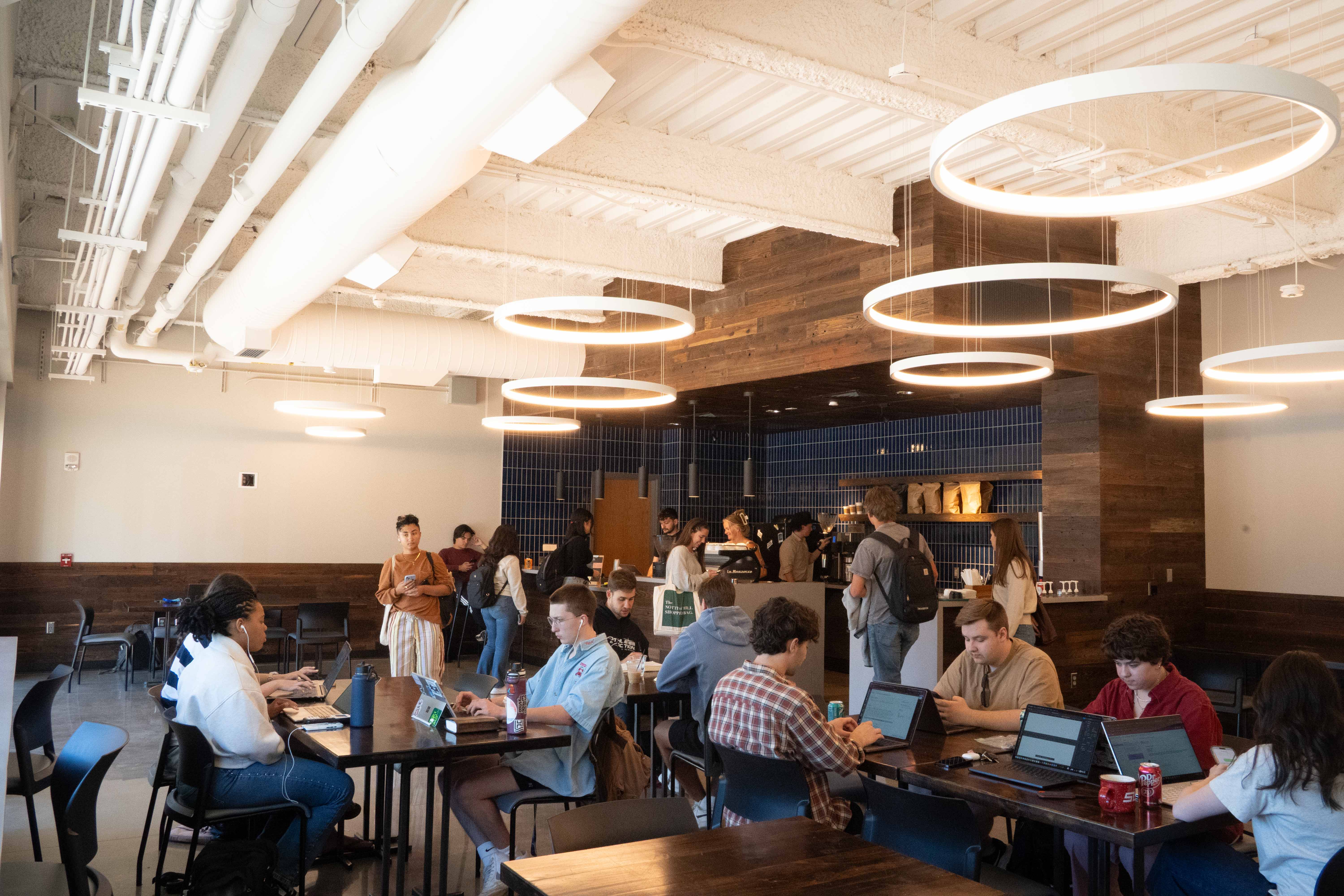
At long last, the JBU’s Mabee Learning Resource Center is open for business. Starting in January of 2024, the renovation brought together the library, study rooms, writing center, media lab, IT Help Desk, Student Support Services and campus favorite, Ground Floor Coffee, into one centralized space. A reception was held on Monday, April 6, in celebration of the renovations' long-awaited completion. The highly anticipated opening was accompanied by an array of fruit, cheese and cookies along with complimentary drip coffee from Ground Floor.

Before the reception had begun, students were gathered in Ground Floor and in the new library studying, while faculty roamed the area, appreciating the work that had been done. The library had been supplemented with the Neufeld Commons before the finishing stages of construction, which offered limited space and limited resources.

“I’ve missed the library a lot, since my sophomore year, since freshman year, so I’m really excited for it to be back,” junior Kirsten Higley said.

Another junior, Olivia Bond, reciprocated the sentiment.

“I didn’t realize how much I would miss the library until it was gone, and then I was like, where will I study? Nowhere,” Bond said.

Although the common area had been well used and loved by students, it could never replace the library.

“It didn’t really feel like a full college library,” freshman Vale Guzman Rivero said.

The new library offers abundant seating and study areas, including study rooms for the students to use. This was a highlight for sophomore Lauren Moore.

“I love all of the study rooms, because when I need to meet for group projects, it’s been a lot harder to find places, since the old library was closed. They have so many good options for that,” Moore said.

Another highlight included spaces for children’s books.

“As an ‘elementary ed’ major, I love the little room that they kept upstairs for the children’s books. It just feels like a little fun space that I can go and hang out with some of my ‘ed’ friends,” junior Malorie McRostie said.

Once the reception had fully begun, the lobby and Ground Floor dining area were full of students, faculty, staff and even some off-campus visitors. Notable JBU appearances included both JBU Chaplain Keith Jagger and President Chip Pollard.

Walking from the old part of the LRC into the newly renovated area felt like stepping from one decade into another. It was clean and streamlined, and large glass windows gave a view into the different resource areas. At the beginning of the reception, the Media Lab was already full of busy students and those just coming in for a peek. The same was true for the smaller study spaces and the IT Help Desk. People weaved in and out, admiring the exciting new spaces.

“…all the natural lighting is so great. I’m like a plant and want the sun. I’ve missed places with windows to study, and I was excited to see all the windows,” Higley said.

The new Ground Floor took the same smiling faces, good coffee, tables and chairs, and put them into a brightly lit area. An outdoor plaza is under construction right outside the building, and the windows will eventually be able to open up to the seating area. The higher ceilings and large windows make the space feel much larger and more alive.

“It’s immaculate in here. The other one was so dark and ‘cave-like’, but this one is really nice. I really like it,” Bond said.

All the resources in Mabee Learning Resource Center are officially open, including Ground Floor Coffee, whether for a mid-study session caffeine fix or a study date.

Photo courtesy of Julianna Jones

Read More

Sports


blog

Southwestern University Met Its Match Against JBU Tennis

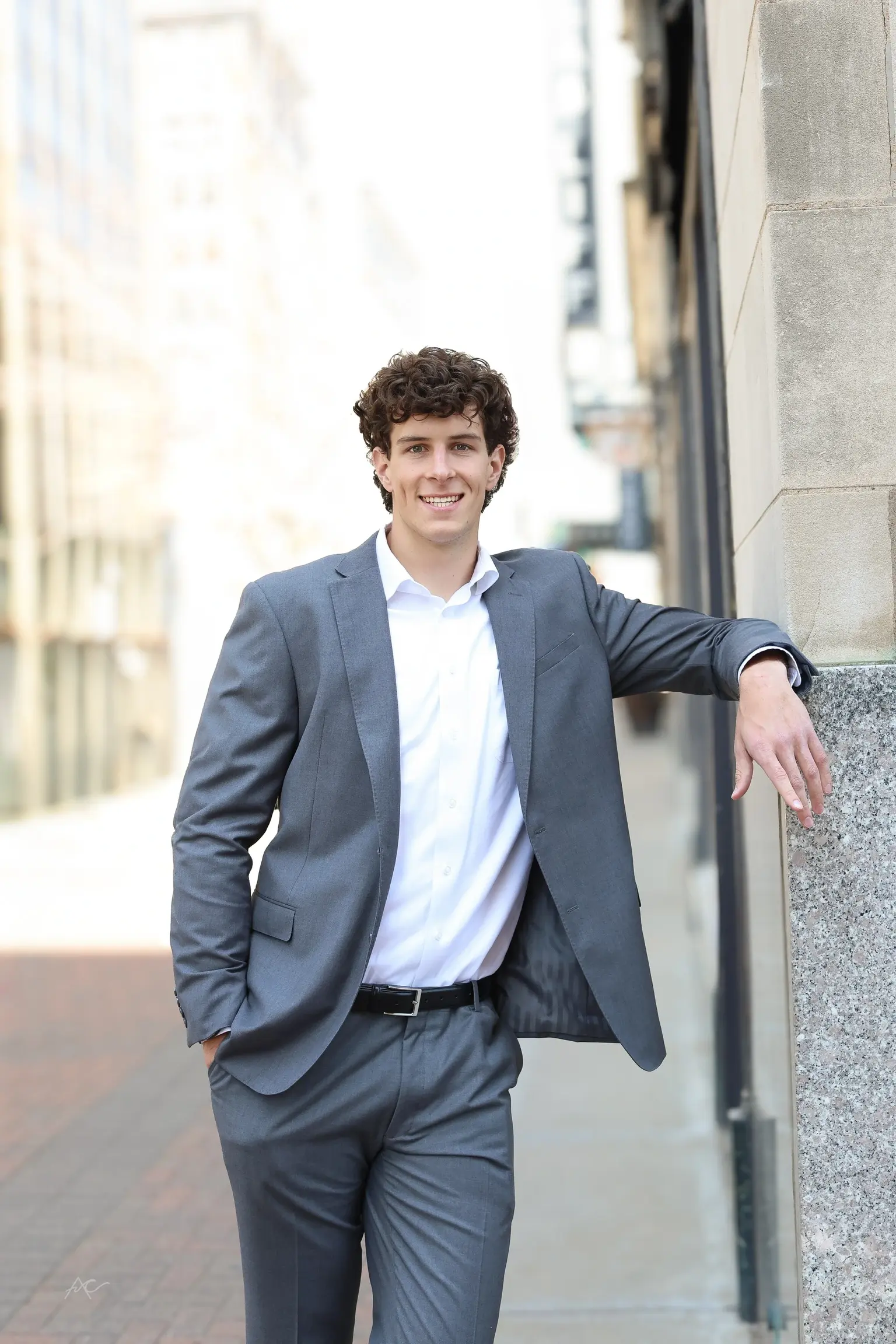
On Saturday, Feb. 21, the Golden Eagles tennis team was able to complete a full sweep, despite less-than-favorable conditions. It was cold and windy as JBU competed against Southwestern University at the JBU Tennis Facility arena.

The match day started with the doubles games in which JBU players Andrew Aylor and Spencer Keeter won 6-2 for an early victory. In the second game, Grant Hinkle and Jonathan Hillock won 6-1. For the third game, Lucas Machado and Santiago Jaime were supposed to play, but Southwestern University didn't have enough players, so the game was won by forfeit.

After the John Brown University men’s tennis team swept the doubles games, the singles games began. Machado dominated the contest, winning the first set 6-3, the second set 6-1.

“In the first few games, I noticed that his backhand was his weakness. After realizing that, I started serving to his backhand to begin the points, which allowed me to open up the court and take control of the rallies. When returning his serve, I focused on hitting through the middle of the court at first, and then I began creating wider angles to his backhand. Overall, my strategy was to target his weakness and use it to my advantage,” Machado said.

For the second single game, Hillock won both sets 6-1 for a quick victory.

In the third single game, Jaime won the first set. Then for the second set, Jaime was able to have a bigger lead, winning the set 6-3.

“I felt really good during the game, and I think I did well overall. In the first set, I didn’t play so well, but in the second set I improved a lot by focusing more and playing smart,” Jaime said.

For the fourth and fifth singles games, which were played by Aylor and William Prochazka, they were able to complete a full sweep. Both won their singles games 6-0 in both sets.

For the last single game, Hinkle won the game by default because they didn’t have enough players.

The Woman's tennis team won by default all of the games because Southwestern University didn’t have enough players to play the games needed.

Photo by David Camacho Padilla

Read More

Opinion


blog

Everyone Knows About Them but No One Talks About Them: The Harsh Reality of Sexual Crimes Across College Campuses in America

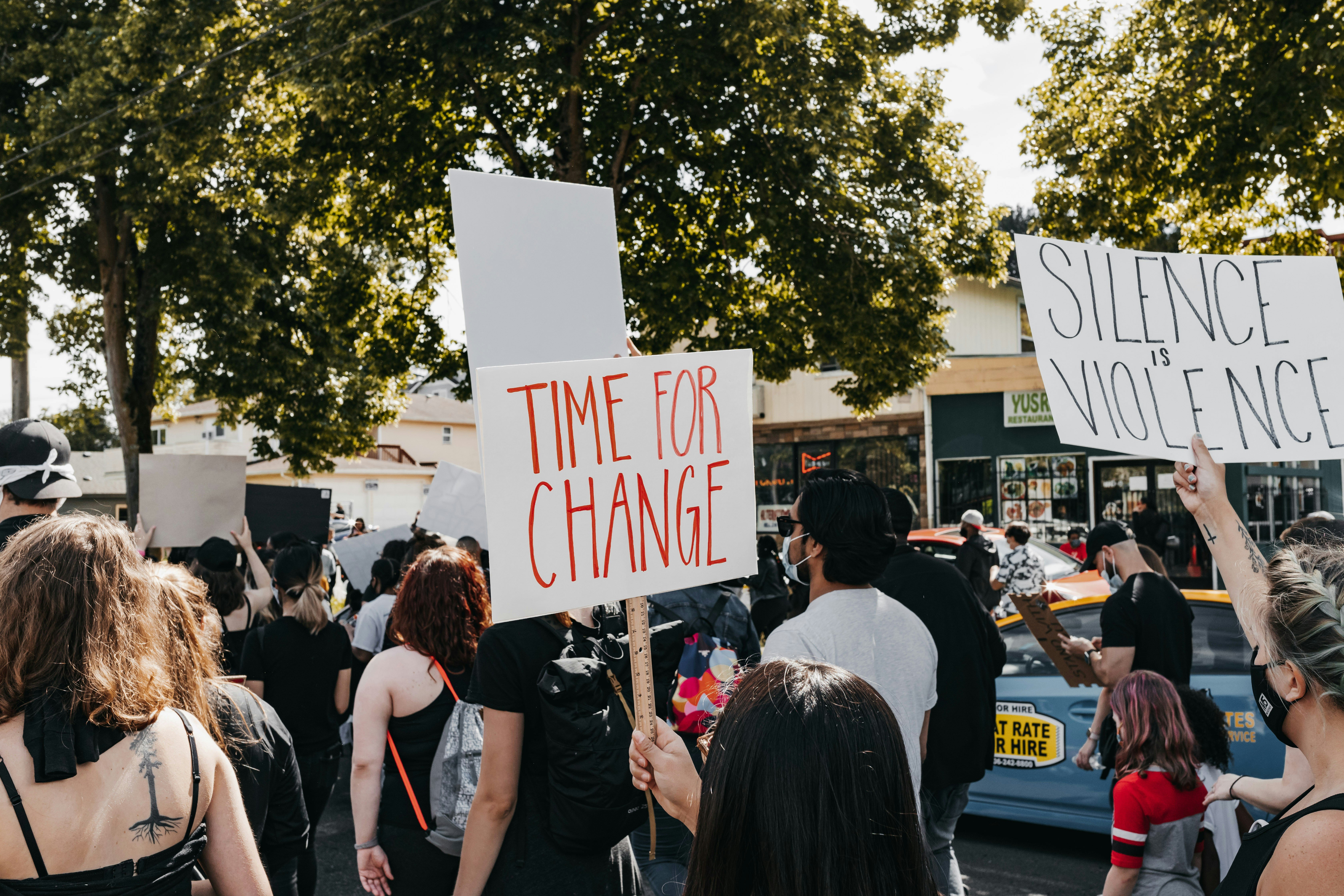
Amid the ongoing case at Cornell University, regarding the seven men accused of gang-raping a woman, it's important to be reminded that sexual assault and harassment have no place anywhere, and especially not at John Brown University.

Sexual harassment and or assault can take on many forms, including unwelcomed jokes or comments about sex and one’s body, stalking, touching someone inappropriately without their consent and so much more. While these are some examples, these examples are not the only cases of sexual harassment and or assault.

While on the topic of consent, it’s important to create an objective understanding of what consent is. Consent is something that is freely given, meaning there is no external force causing someone to say yes when otherwise they would say no.

For example, if someone were to be held at gunpoint and asked if they wanted to engage in sexual activities, and say yes for fear of being seriously injured or killed, the yes given carries no real weight and is not proof of consent. Likewise, if someone reaches a point of incapacitation due to drugs or alcohol, they legally cannot give consent. Both examples given are addressed under AR Code § 5-14-103.

Unfortunately, sexual assault across college campuses in America is a common problem. According to the National Center for Education, there were an estimated 10,400 formally reported acts of forcible sexual violence across college campuses in America during 2021. To compound this, according to the American Psychological Association, it’s estimated that 90% of assaults that take place on college campuses are not reported.

The American Psychological Association also found that roughly 25% of female students across college campuses report being victims of sexual crimes while in college, with there being an increased risk of sexual crimes against women in their first year of college. Women who are victims of sexual assault are 2 to 4 times more likely to experience lifetime posttraumatic stress disorder and depression. On top of this, women who experienced sexual assault on a college campus in their first semester were found to have symptoms of anxiety and depression.

Also according to the American Psychological Association, male students across college campuses in America, roughly 6.8% of undergraduate men and 2.5% of graduate men report experiencing sexual assault. When comparing men that go to college to men that do not go to college, college-attending men are 78% more likely to experience sexual assault than their non-college attending male peers.

According to the American Psychological Association, students who identify themselves in the LGBTQ+ community are at an increased risk of experiencing sexual assault. Students who are in the sexual minority of men are nine times more likely to experience sexual assault than their male heterosexual peers and students who are in the sexual minority of women are twice as likely to experience sexual assault than their heterosexual female peers.

Christian universities are no exception to this problem either. According to Thomas Moran of Baylor News, 15% of students at Christian affiliated colleges reported experiencing sexual assault. While these numbers indicate that sexual assault happens less frequently on Christian campuses compared to secular campuses, 15% is still 15% too high.

There are many more factors that influence sexual assault which includes, but is not limited to: students with disabilities, students of varying races and ethnicities, international students, undocumented immigrants, first generation and low-income students and graduate students according to the American Psychological Association.

The statistics shown do not even begin to tell the full story of sexual assaults on college campuses. What happens if a student is a female and a first-generation college student? How much more likely is she to experience sexual assault simply because she’s a woman taking a step no one in her family has been able to take before?

No one signs up to get sexually assaulted, and no one should be terrified to attend college in fear of experiencing sexual assault. While the act of the assault might not last a lifetime, the side effects do and no one deserves that.

The number of reported sexual assault across students on college campuses in America is astoundingly high, and until the number of sexual assaults across college campuses in America hits zero, it will continue to be astoundingly too high.

If you believe that you or someone you know is a victim of sexual harassment and or assault, do not hesitate to reach out to Amy Fisher at 479-524-7128 or at TitleIXCoordinator@jbu.edu if you are a student, employee or third party involved at John Brown University.

If you or someone you know is not involved at John Brown University, search for “University name’s Title IX help office” for further assistance. You can also reach out to 1-800-656-4673 for the national sexual assault hotline, or text HOPE to 64673. Both services are available 24 hours a day, 7 days a week.

Sexual assault is a serious crime with serious consequences that unfortunately impact the victims more often than they impact the offenders. Your voice matters, your story matters, and most importantly you matter. Don’t let anyone stop you from getting the help you deserve.

 Photo by Duncan Shaffer via Unsplash

Read More

Lifestyles


blog

Cheese Sticks and Squirrels: Observations from JBU’s International Students

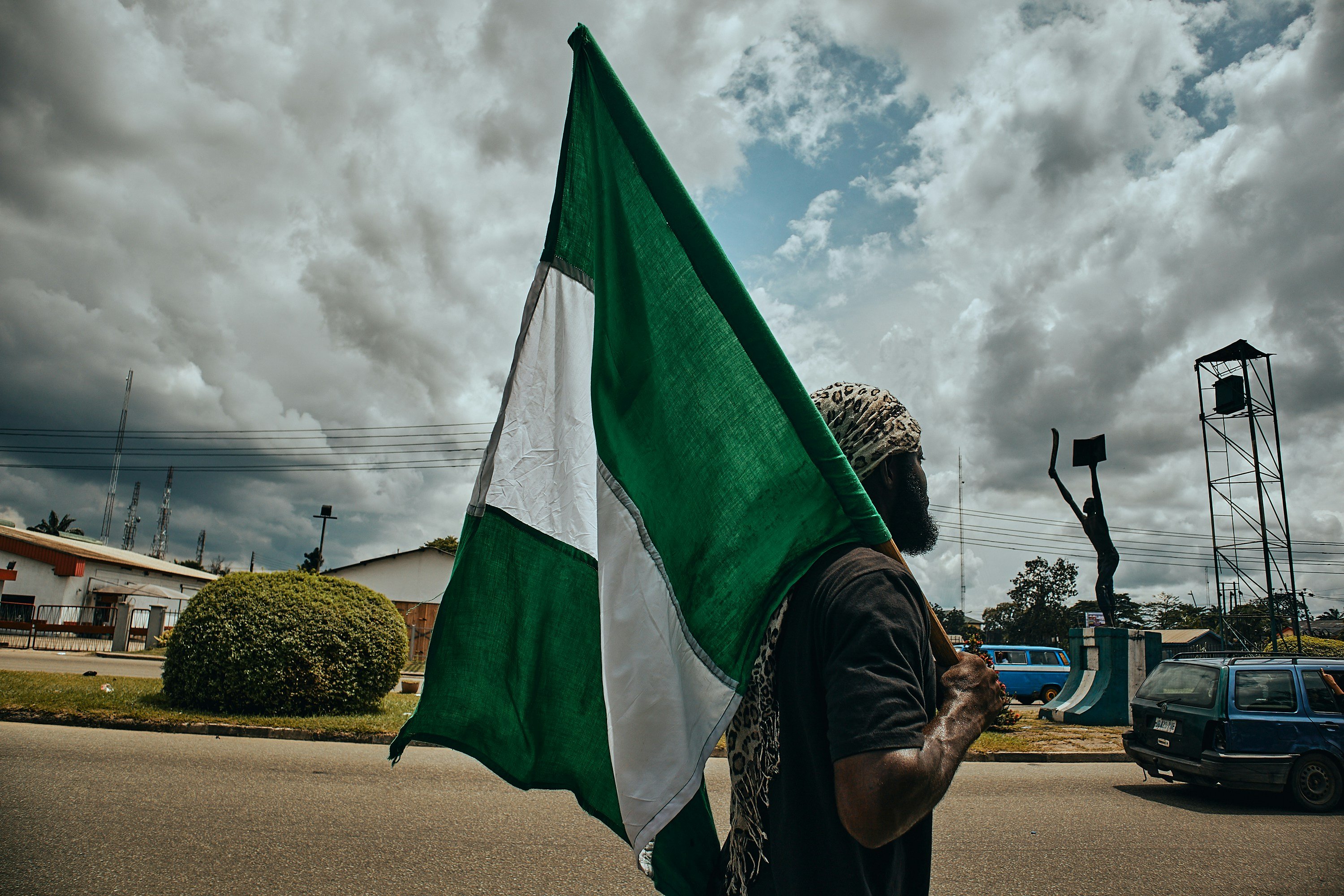
John Brown University hosts a diverse student body from all over the globe. The rows of flags in the Walker Student Center are a testament to each international student who leaves their home country and settles in Siloam Springs, Ark. Moving anywhere —especially overseas —is no small feat, especially when a whole new culture comes with it. What might seem ordinary or even mundane to students from the States, like navigating the aisles of Walmart or watching a squirrel dart across the sidewalk, is a completely new experience for others. The following interviews with a few of JBU’s international students offer a glimpse into their perspective of American culture in the context of the culture they came from.

Junia Licaj (Berat, Albania)

Q: Tell me about your home country. What was the culture like? Where was your favorite place to go?

A: My home country is Albania. It’s in the Balkans right next to Greece. Albania is between 4,000 and 5,000 years old, and it was called Illyria back then. So its culture and language is very unique because it doesn’t have any similarities to any other cultures or languages from the rest of the world.

I have two favorite cities to visit. One of them is Vlora, which is by the seaside. In Vlora, both the Adriatic Sea and the Ionian Sea collide with each other so you can see both seas. If you’re in the northern part of Vlora, you have all the sandy beaches, and if you’re in the southern part, you have all the rocky beaches. So you can choose between the two seas. And the food is great!

My other favorite city is Korca, which is known as the city of art and theater. It’s higher in the mountains, so it’s usually much colder there, and snows for almost half the year. It’s just so quiet, and there’s always a theater or a play going on. I love it so much.

Q: What has surprised you the most about the culture here?

A: That’s an interesting question. I didn’t have a lot of culture shock because with the Internet, you can access anything; you can know how everything and everyone is. But I was kind of shocked that there isn’t a lot of hospitality, even though I’m in the south. Albania is known for its hospitality. And coming to houses in America, like being invited to dinner, I feel like people won’t start a conversation with me and just hang out with who they’re comfortable around. In Albania, hosts talk with guests the entire time.

Q: What is your favorite food back home? What is your favorite food you’ve eaten since coming to the U.S.?

A: I have two favorite foods back home. One of them is called Berati beef, which is only made in Berat. It’s thin and filled with walnuts as well as a specific type of cheese called kaçkavall that’s only made in Albania. And then you coat it with stirred egg mix and flour and fry it in a pan. It’s amazing.

My second favorite food back home is called pastice. It’s very simple, but my mom always makes it for me, and it’s a comfort food. It’s a pasta dish with really thick noodles. You boil them, put them in a pan, and add milk, butter, cheese, and sometimes meat, then put it in the oven.

At JBU, I love the Caf cornbread. We have cornbread in Albania, but the one here is much softer. I also love the Great Value cheese sticks from Walmart.

Q: How did you discover JBU?

A: My mom told me about it. I was looking for universities and in Albania, the prices are OK, but the education isn’t as good. I have a lot of friends back home who study psychology. They told me not to go to state college because it’s horrible. So I looked all over Europe, and apparently in most European universities, you have to pay more if you’re an international student. And then, my mom just told me to check out JBU because we have friends who live in Siloam Springs. That’s how I found out about it.


Lea Fawaz (Bourdeaux, France)

Q: Tell me about your home country. What was the culture like? Where was your favorite place to go?

A: The culture in France is certainly different. It is secular, everything is smaller and people use public transportation and walk to places way more than here. My favorite place to go back home in Bordeaux was Sainte Catherine, which is a very long shopping street (the longest in Europe) where we would often go with my friends to eat, shop and hang out.

Q: What has surprised you the most about the culture here?

A: People are very friendly and approachable. I was very surprised at how easy it is to interact with others here. I’m also not used to seeing so many squirrels!

Q: What is your favorite food back home? What is your favorite food you’ve eaten since coming to the U.S.?

A: I miss chocolate croissants. I would have one for breakfast every day before class. Regarding American food, I discovered ranch sauce recently, and I really like it!

Q: Share any funny stories that happened while traveling to the U.S. or since you’ve arrived here.

A: The first time I went to Walmart in Arkansas, I had a conversation with an old lady. I told her I was going to attend JBU. She told me that if I did not find a husband during my time in college, she could marry me to one of the “lovely young men” she knew in Oklahoma.


Lia Diener (Manila, Philippines)

Q: Tell me about your home country. What was the culture like? Where was your favorite place to go?

A: The Philippines is an island in Southeast Asia, located near the equator and on the Ring of Fire. This means that we are a tropical country, and we basically only experience two seasons: Hot, sunny summers and rain, usually with flooding. We have some of the best beaches in the world, and you can eat and drink the best mangoes and smoothies here. Our culture is very humble, warm and community-oriented and has a strong respect dynamic between the young and elders. It's difficult to choose only one favorite place to go to, so I will name a few: Jollibee, our fast food chain, is my comfort food; the palengke (wet market) where you can buy fresh groceries, snacks and basically everything you can find; Corregidor Island, which was a heavily bombed WWII site that is now preserved and looks like it's still frozen in time in 1945. I camped on Corregidor Island, right on the beach by the forest where there are wild monkeys ... super fun!

Q: What has surprised you the most about the culture here?

A: A few of my biggest culture shocks were sales tax and tipping, how much you need to drive everywhere (I grew up in an area where nearly everything was walking distance/accessible via public transport!) and there's nearly no public transport (at least in Arkansas). I was also shocked by how often people open the door for you, especially guys! People also genuinely mean it when they say “How are you?” and it’s normal to make chitchat with workers, even at the counter of the grocery store. The people here are so sweet! And I love the big portion sizes, especially the chicken and soda.

Q: What is your favorite food back home? What is your favorite food you’ve eaten since coming to the U.S.?

A: This is also a hard question to only pick one dish, but I usually say Tinola – a ginger flavored broth typically with chicken or fish, with vegetables like malunggay (moringa leaves), sayote (chayote), chili pepper leaves and green papaya. One of my first meals when I arrived in the States was a heavily spiced and herbed chicken (not sure what the name of the dish is) and oil.

Q: How did you discover JBU?

A: I went to the U.S. for the first time last summer and went college hunting. When I told people that I was going college hunting, nearly all of them referred me to JBU, so I went on a spontaneous trip down to tour JBU two days before I had to leave the U.S. and absolutely loved it. A couple months later, I applied, got accepted and the rest is history!

Picture by Juliana Jones

Read More